Goitre Treatment In Singapore

Goitre is a medical condition characterised by the abnormal enlargement of the thyroid gland, a butterfly-shaped gland located at the base of your neck. The thyroid gland produces hormones that regulate your body’s metabolism, growth, and development.

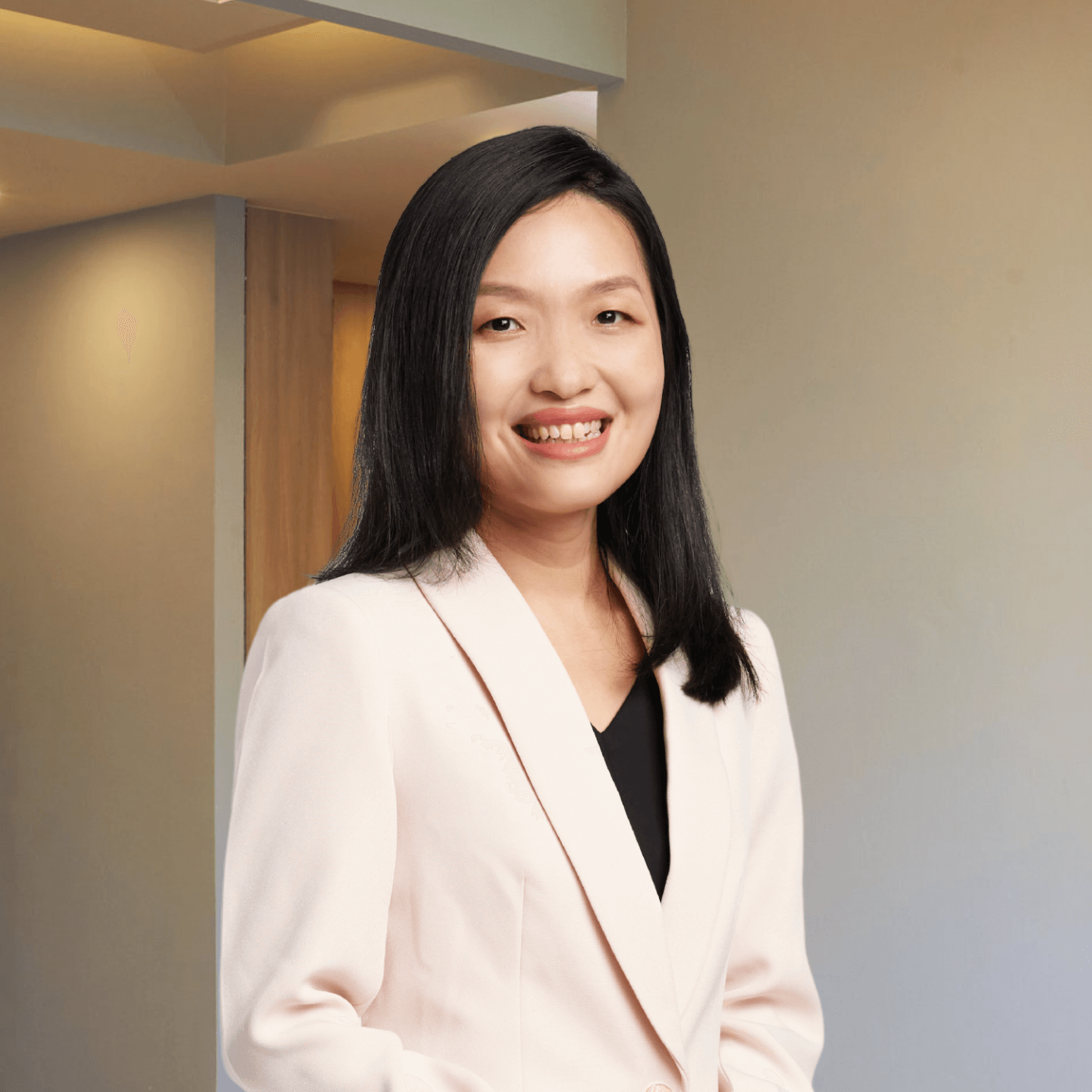
Dr Jesse Hu
Senior Consultant General Surgeon, Breast, Thyroid & Endocrine Surgery

What is goitre?

Goitre is a swelling of the thyroid gland that can be caused by various factors, including iodine deficiency, thyroid disorders, and certain medications. Goitre can occur in both men and women, and its size can range from small and barely noticeable to large and uncomfortable. Depending on the cause and severity, goitre can be associated with hyperthyroidism, hypothyroidism, or normal thyroid function. Iodine deficiency is the most common cause of goitre worldwide, but goitre can also be caused by inflammation, benign or malignant nodules, or genetic factors.

Causes of goitre

The primary cause of goitre is iodine deficiency, as iodine is an essential nutrient for the production of thyroid hormones. A lack of iodine in your diet can lead to an underproduction of hormones, causing the thyroid gland to enlarge as it tries to compensate for the deficiency. Other causes of goitre include:

This condition occurs when your immune system mistakenly attacks your thyroid gland, causing inflammation and enlargement.

This autoimmune disorder causes the overproduction of thyroid hormones, leading to hyperthyroidism and goitre.

These are growths on the thyroid gland that can be benign or malignant. In some cases, these nodules can cause the gland to enlarge and lead to goitre.

Although rare, thyroid cancer can cause goitre in some cases.

Some drugs, such as lithium and amiodarone, can interfere with thyroid function and lead to goitre.


Symptoms and signs of goitre

The symptoms of goitre can vary depending on the underlying cause and the size of the enlargement. Some common signs and symptoms include:

Visible swelling

The most obvious sign of goitre is a visible swelling in the front of your neck. The size of the swelling can range from small and subtle to large and noticeable.

Difficulty swallowing or breathing

A large goitre can press on your oesophagus and trachea, causing difficulty swallowing and breathing.

Hoarseness

Pressure on the nerves in the neck can lead to hoarseness and changes in your voice.

Coughing

Irritation of the trachea can cause a persistent cough.

Goitre treatment options

The treatment for goitre depends on the underlying cause, severity, and associated symptoms. Some common treatment options include:

Observation

In cases of small, asymptomatic goitres, your doctor may recommend a wait-and-see approach and monitor the goitre for any changes.

Iodine supplementation

If the goitre is caused by iodine deficiency, your doctor may recommend increasing your iodine intake through diet or supplements.

Thyroid hormone replacement therapy

For goitres caused by hypothyroidism, your doctor may prescribe levothyroxine online prescription or other thyroid hormone replacement medications.

Antithyroid medications

In cases of hyperthyroidism, medications such as methimazole or propylthiouracil can help reduce the production of thyroid hormones and shrink the goitre.

Radioactive iodine therapy

This treatment involves taking a pill containing radioactive iodine, which is absorbed by the thyroid gland and helps to shrink the goitre over time.

Surgery

In severe cases, or when the goitre is causing significant symptoms, your doctor may recommend surgery to remove part or all of the thyroid gland.

Costs Of Goitre Treatments In Singapore

The cost of goitre treatments in Singapore can vary depending on the type of treatment and the severity of the condition. In general, the cost of medical treatment for goitre can range from a few hundred to several thousand dollars, depending on factors such as hospital fees, medication costs, and diagnostic tests.

Our clinics are under the following

insurance panels

For Singaporeans, Singapore Permanent Residents and Foreigners.
Please speak to our friendly clinic staff about using your insurance plans.

Dr Jesse Hu

Dr Jesse Hu

Senior Consultant General Surgeon, Breast, Thyroid & Endocrine Surgery

Dr Jesse specialises in managing both benign and malignant breast and thyroid conditions, which also includes breast pain, breast lumps, breastfeeding problems, neck lumps, amongst others.

Her dual expertise in cancer removal and plastic surgery techniques expands the design of individualized treatments, leading to holistic patient outcomes.

Dr Jesse was part of the teaching faculties of both NUS Yong Loo Lin School of Medicine and Lee Kong Chian School of Medicine, where she teaches and mentors the next generation of medical students and trainee doctors.

  • Surgical training at NUS School of Medicine
  • FRCS (Fellow of the Royal College of Surgeons) Edinburgh, UK in 2014
  • Completed 2 Health Manpower Development Program (HMDP) fellowships at Oxford University Hospital, UK in 2016

Dr Jesse is recognized as an authority in breast cancer and thyroid surgery and a sought-after conference speaker.

Reach Out To Us

We are committed to providing a one-stop experience, where you’ll receive a meticulous consultation and high-quality service in a comfortable environment.

Get Started

Book An Appointment


    image

    For faster response, Call Us

    (65) 6733 3383


    Goitre Treatment In Singapore

    Frequently Asked
    Questions

    When should I see a doctor for thyroid problems?

    It’s important to see a doctor if you experience any symptoms of thyroid problems, such as goitre, fatigue, weight changes, or changes in your heart rate. Your doctor can perform a physical exam and order blood tests to assess your thyroid hormone levels and determine the underlying cause of your symptoms.

    Can thyroid nodules shrink on their own?

    In some cases, thyroid nodules can shrink on their own without treatment. If the nodule is causing significant symptoms or seems cancerous, your doctor may recommend further testing or treatment.

    Is over-the-counter thyroid medication recommended?

    Over-the-counter (OTC) thyroid medication is not recommended for the treatment of thyroid disorders, as these medications can be ineffective or even harmful. Thyroid hormone replacement therapy should only be prescribed by a qualified healthcare provider and monitored closely to ensure safe and effective treatment.