Thyroid Nodules

Dr Jesse Hu
Senior Consultant General Surgeon, Breast, Thyroid & Endocrine Surgery

What Are Thyroid Nodules?

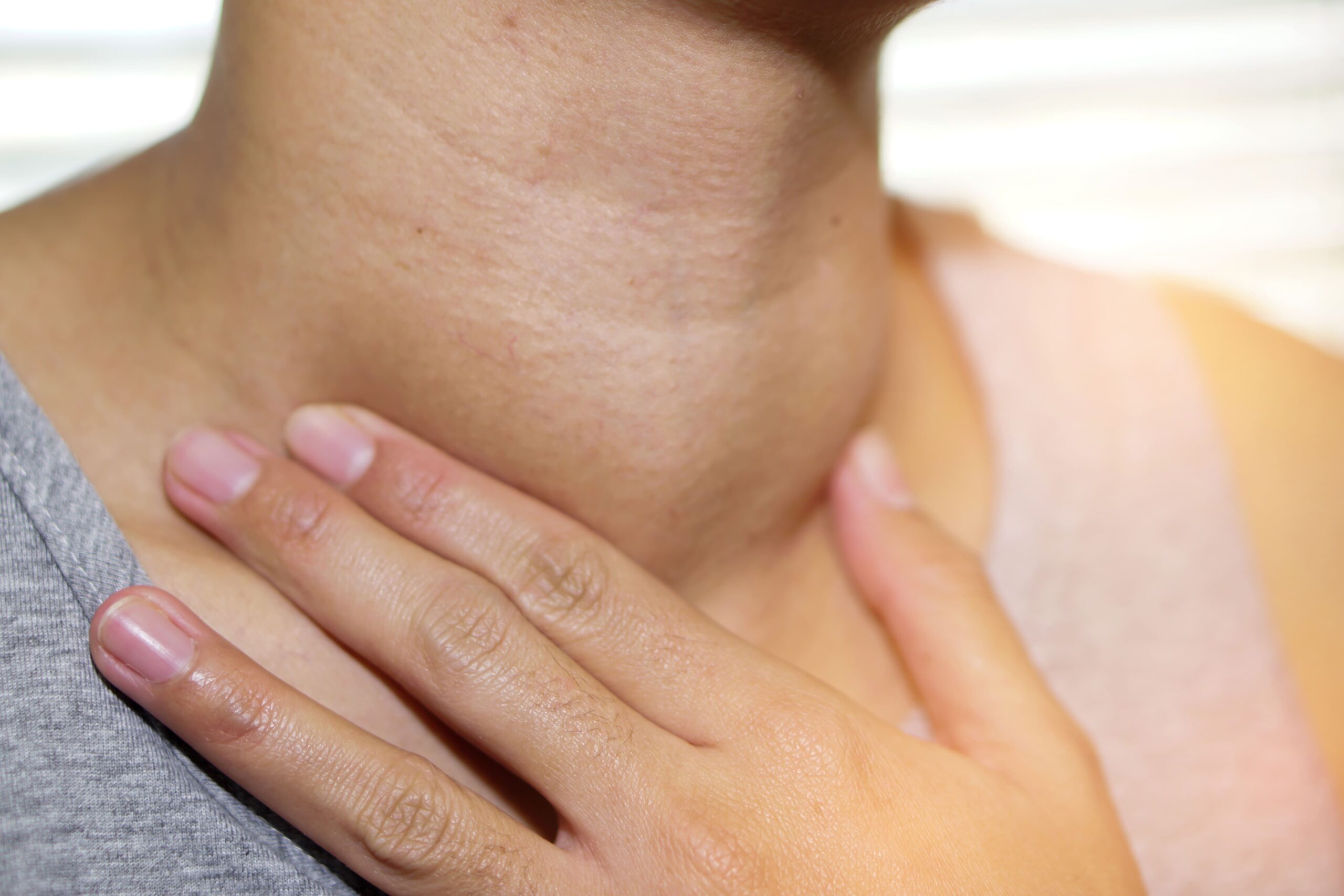
Thyroid nodules are discrete lumps that can form in the thyroid gland, a butterfly-shaped organ located at the base of the neck beneath the Adam’s apple. Most thyroid nodules are benign and may not cause symptoms.

Causes of Thyroid Nodules

Thyroid nodules can arise from various causes, such as:

Historically, iodine deficiency has been a major cause of thyroid nodules globally. It is less common in areas where iodized salt is widely used.

This autoimmune disorder, in which the immune system attacks the thyroid gland, can lead to the formation of nodules. Over time, the chronic inflammation from Hashimoto’s Thyroiditis can cause the thyroid tissue to become irregular and nodular.

Sometimes referred to as a thyroid adenoma, this benign condition involves a benign overgrowth of normal thyroid cells that can form a nodule. These are usually non-cancerous and do not spread beyond the thyroid gland.

Fluid-filled cavities in the thyroid gland can develop into cysts, which may become nodular if they persist or if they contain both fluid and solid components.

Thyroid cancer can initially appear as a nodule and may be one of the more serious causes of thyroid nodules.

Symptoms

Thyroid nodules are often asymptomatic, meaning they do not produce symptoms. However, some nodules may become large enough to cause noticeable symptoms or complications.

Visible Lump

Some nodules can grow large enough to be visibly noticeable at the base of the neck.

Feeling of Tightness

A large nodule may cause a sensation of tightness or pressure in the throat, especially when swallowing.

Difficulty Swallowing

Nodules that develop near the oesophagus can interfere with swallowing, making it feel as though food is getting stuck.

Voice Changes

Nodules that press on the nerve that controls vocal cords can cause changes in voice quality, including hoarseness.

Difficulty Breathing

In rare cases, a large nodule can obstruct the airway, making it difficult to breathe, especially when lying down.

Diagnostic Procedures

The diagnosis of thyroid nodules involves several steps to determine their nature and whether they require treatment.

Physical Examination

A doctor may feel the neck area for any abnormalities in the thyroid gland, such as swelling or nodules.

Thyroid Function Tests

Blood tests are conducted to measure levels of thyroid hormones and thyroid-stimulating hormone (TSH). These tests help assess thyroid function and may indicate underlying thyroid disorders.

Ultrasound

This imaging technique uses sound waves to create pictures of the thyroid gland and can help distinguish between solid and cystic nodules, as well as identify suspicious features that might require further testing.

Fine-Needle Aspiration Biopsy (FNAB)

If a nodule appears suspicious on ultrasound, a fine-needle aspiration biopsy may be performed to extract cells and examine the cells extracted from the nodule.

Treatment Options

The treatment of thyroid nodules depends largely on the results of diagnostic tests, including the nature of the nodule (benign or malignant) and the presence of symptoms.

  • Thyroid Hormone Suppression Therapy

In some cases, synthetic thyroid hormone Levothyroxine is prescribed to suppress the production of thyroid-stimulating hormone (TSH) from the pituitary gland, which may help prevent nodule growth.

  • Radioactive Iodine Treatment

This treatment involves taking radioactive iodine orally, which is absorbed by the thyroid gland and destroys the cells within the nodules.

Surgery is a common treatment option for thyroid nodules, particularly when nodules are suspected to be malignant, cause symptoms, or grow significantly.

  • Total Thyroidectomy

Procedure: Removal of the entire thyroid gland.

Indications: For patients with multiple nodules, large goiters, or confirmed thyroid cancer.

Benefits: Eliminates all thyroid tissue, reducing the risk of cancer recurrence and the need for further surgery.

  • Subtotal Thyroidectomy

Procedure: Removal of the majority of the thyroid gland, leaving a small portion of thyroid tissue.

Indications: For patients with benign conditions affecting the entire thyroid gland.

Benefits: May reduce the need for lifelong thyroid hormone replacement therapy.

  • Surgical Procedure

Anaesthesia: General anaesthesia is used.

Incision: A small incision is made in the lower part of the neck.

Gland Removal: Depending on the type of surgery, the surgeon will remove part or all of the thyroid gland.

Lymph Node Dissection: If cancer is suspected or confirmed, nearby lymph nodes may also be removed.

Closure: The incision is closed with sutures or surgical glue, and a drain may be placed to prevent fluid accumulation.

Monitoring and Follow-up Care

Regular follow-up and monitoring are important for individuals with thyroid nodules, particularly those who opt for watchful waiting or have undergone treatment.


Regular Ultrasound Examinations: These are used to monitor the size and characteristics of the nodules over time. Changes in size or appearance may necessitate a change in treatment strategy.


Thyroid Function Tests: Periodic blood tests to measure thyroid hormone levels help ensure that thyroid function remains normal.


Physical Examinations: Routine check-ups with a doctor to physically examine the neck and assess for any new symptoms or changes.


Repeat Biopsies: For nodules that are not removed, repeat fine-needle aspiration biopsies may be recommended if a nodule grows or develops suspicious features during follow-up.

Are Your Symptoms Affecting Your Quality Of Life?

Consult us for a comprehensive evaluation & personalised treatment plan.

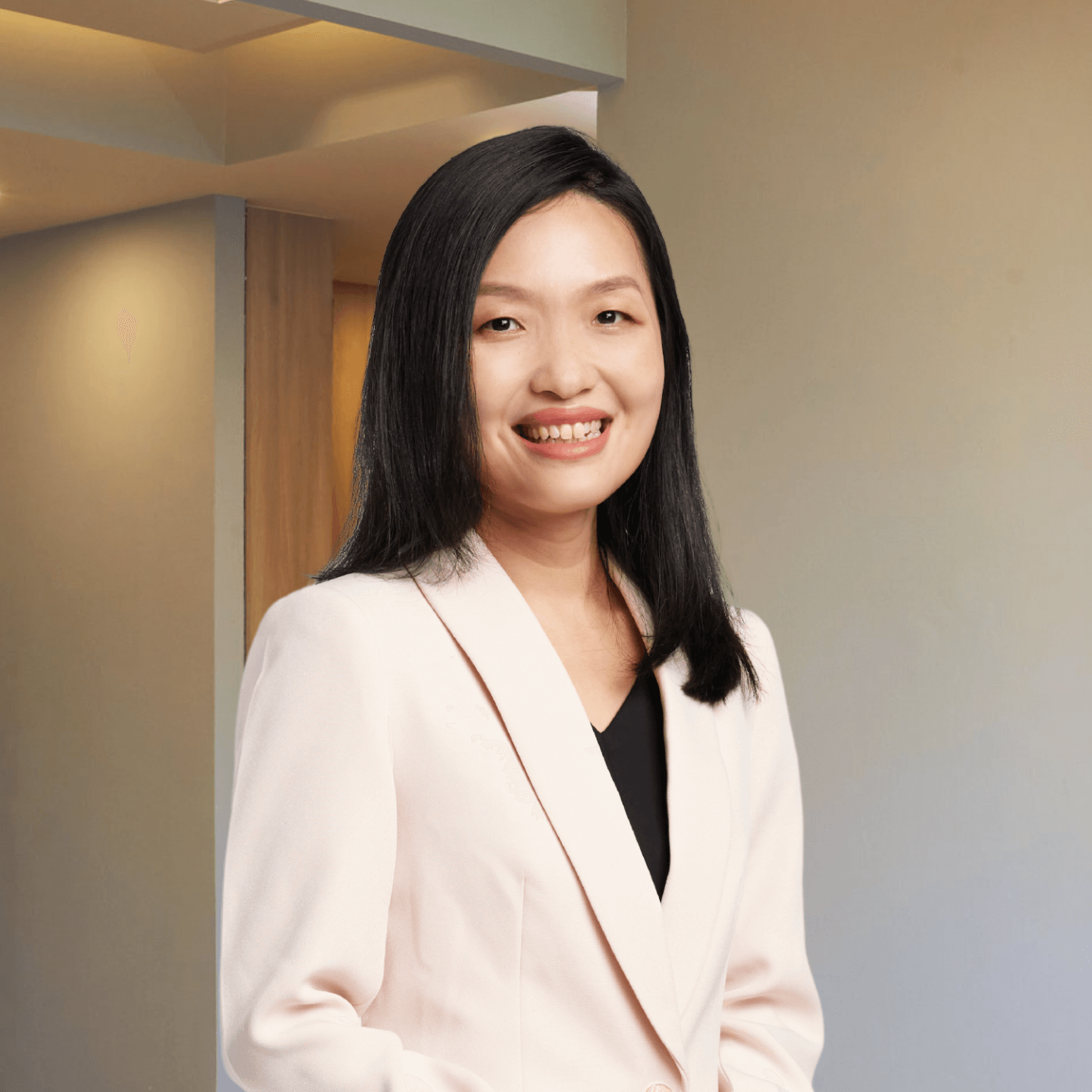
Dr Jesse Hu

Dr Jesse Hu

Senior Consultant General Surgeon, Breast, Thyroid & Endocrine Surgery

Dr Jesse specialises in managing both benign and malignant breast and thyroid conditions, which also includes breast pain, breast lumps, breastfeeding problems, neck lumps, amongst others.

Her dual expertise in cancer removal and plastic surgery techniques expands the design of individualized treatments, leading to holistic patient outcomes.

Dr Jesse was part of the teaching faculties of both NUS Yong Loo Lin School of Medicine and Lee Kong Chian School of Medicine, where she teaches and mentors the next generation of medical students and trainee doctors.

  • Surgical training at NUS School of Medicine
  • FRCS (Fellow of the Royal College of Surgeons) Edinburgh, UK in 2014
  • Completed 2 Health Manpower Development Program (HMDP) fellowships at Oxford University Hospital, UK in 2016

Dr Jesse is recognized as an authority in breast cancer and thyroid surgery and a sought-after conference speaker.

Our clinics are under the following

insurance panels

For Singaporeans, Singapore Permanent Residents and Foreigners.
Please speak to our friendly clinic staff about using your insurance plans.

Reach Out To Us

We are committed to providing a one-stop experience, where you’ll receive a meticulous consultation and high-quality service in a comfortable environment.

Get Started

Book An Appointment


    image

    For faster response, Call Us

    (65) 6733 3383


    Thyroid Nodules

    Frequently Asked
    Questions

    What is the likelihood that a thyroid nodule is cancerous?

    Although most thyroid nodules are benign, approximately 5% to 10% are malignant. Factors such as age, gender, radiation exposure history, and ultrasound characteristics help assess the risk.

    Are there lifestyle changes that can help manage thyroid nodules?

    While lifestyle changes alone cannot cure thyroid nodules, maintaining a balanced diet, ensuring adequate iodine intake, and regular health check-ups can aid overall thyroid health.

    Is there a genetic predisposition to developing thyroid nodules?

    Some types of thyroid nodules, particularly those associated with thyroid cancer, can be hereditary. Family history is an important factor to consider in the risk assessment.

    How do thyroid nodules interact with other thyroid conditions, like hyperthyroidism or hypothyroidism?

    Thyroid nodules may coexist with conditions like Hashimoto’s Thyroiditis or Graves’ Disease. Their presence can complicate the diagnosis and management of these conditions.