
Breast Cancer Screening
Singapore

Breast cancer screening is a procedure used to detect breast cancer in its early stages before symptoms appear. Early detection and treatment can increase the chances of survival and decrease the risk of complications.

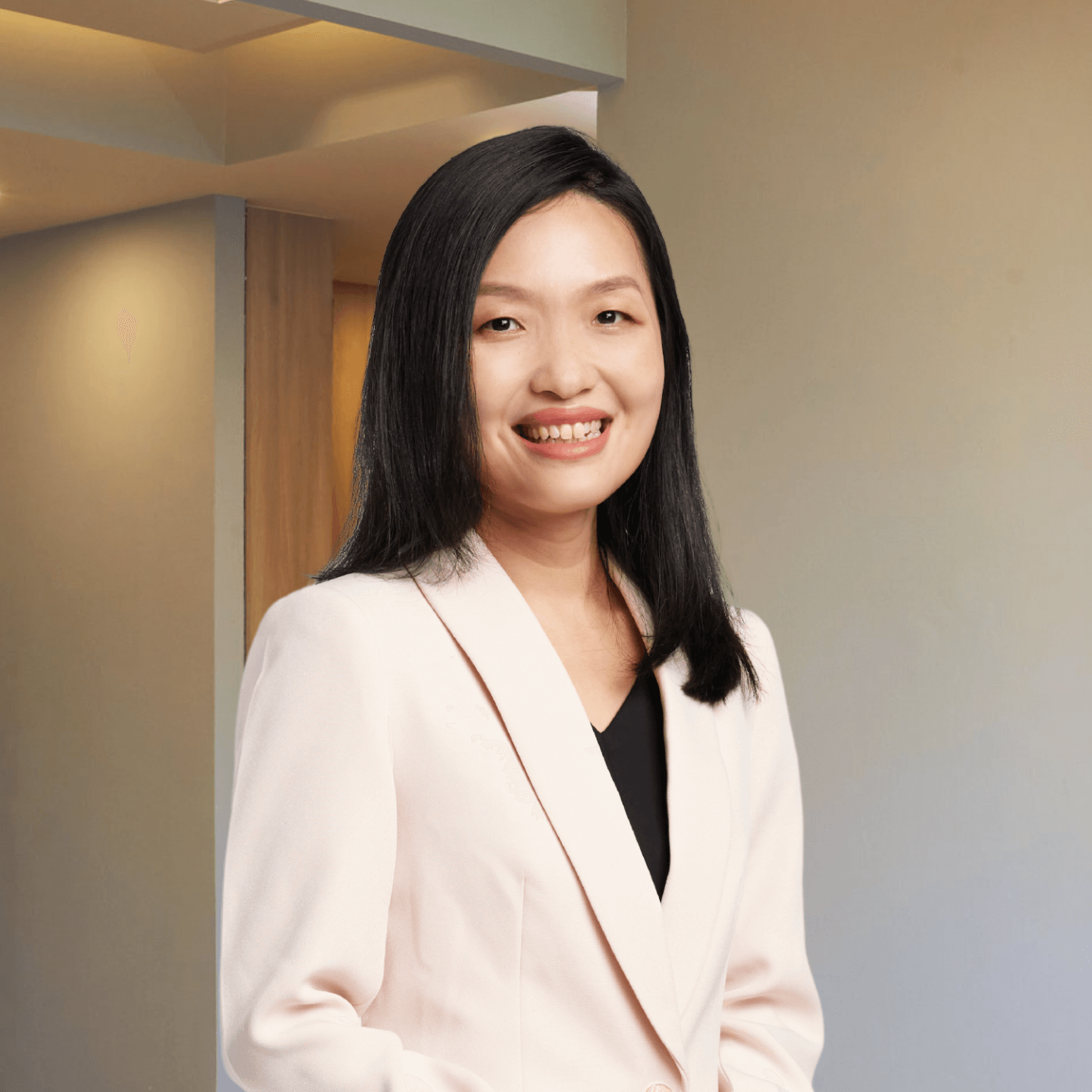
Dr Felicia Tan Li Sher
Director, Senior Consultant General Surgeon

What is Breast Cancer Screening?

Breast cancer screening checks a woman’s breasts for cancer before any disease symptoms develop. According to the Singapore Cancer Registry, breast cancer is the most common cancer among women in Singapore, affecting approximately 1 in 138 Singaporean women and accounting for almost 30% of all cancers diagnosed in women.

Early detection of breast cancer through screening is crucial as it can lead to more effective treatment and higher survival rates, with the five-year survival rate close to 90% when breast cancer is detected at an early stage.

What Are the Types of Breast Cancer Screening?

Breast cancer screening includes various tests that can detect breast cancer in its early stages. The following are the types of breast cancer screening:

A mammogram is a standard and reliable screening tool used to examine and detect cancerous tumours or lumps that cannot be seen or felt, as well as abnormalities in different parts of the breast via X-ray. During the mammogram, the breast is compressed between two plates and X-ray images are taken from different angles. Mammograms are recommended for women over 50 and should be done every two years.

A clinical breast exam is a physical examination of the breasts done by a healthcare professional to check for lumps or other abnormalities.

A breast self-exam is a self-check for lumps or other abnormalities in the breast. While not a substitute for regular mammograms or clinical breast exams, self-exams can help women become familiar with their breasts and identify any changes that may need medical attention.

Ultrasound utilises high-frequency sound waves to create images of breast tissue. It is often used in conjunction with mammography for women with dense breast tissue or as a follow-up to a suspicious mammogram.

MRI uses powerful magnets and radio waves to create detailed images of breast tissue. It is often used with mammography for women at high risk of breast cancer.

Who Should Get Screened For Breast Cancer?

Eligibility for breast cancer treatment in Singapore depends on several factors. These include:

  • Age. The risk of breast cancer increases as women get older, with most cases diagnosed in women over 50.
  • Gender. Women are much more likely to develop breast cancer than men.
  • Family history. Women with a family history of breast cancer are at higher risk, especially if the disease has affected multiple family members or occurred in a close relative before menopause.
  • Genetic mutations. Inherited mutations in specific genes, such as BRCA1 and BRCA2, can significantly increase the risk of developing breast cancer.
  • Personal history. Women who have had breast cancer or certain types of benign breast lumps are at increased risk of developing the disease again.
  • Dense breast tissue. Women with denser breast tissue may be at higher risk of developing breast cancer, as dense tissue can make it harder to detect abnormalities on a mammogram.
  • Hormonal factors. Women who began menstruating before age 12, experienced menopause after age 55, or have never had children or had them after age 30 may have a slightly increased risk of breast cancer.
  • Lifestyle factors. Certain lifestyle factors, such as frequent consumption of alcohol and lack of physical activity, have been linked to an increased risk of breast cancer.
How To Prepare For a Breast Cancer Screening?

To get the most accurate and effective breast cancer screening, it is vital to properly prepare before the screening:

  • Schedule an appointment. Call the clinic to schedule an appointment for your screening.
  • Wear comfortable clothing. Wear a comfortable two-piece outfit, as you’ll need to undress from the waist up for the screening.
  • Avoid certain products. Avoid using deodorants, perfumes, powders, or lotions on the day of the screening, as these can interfere with the accuracy of the results.
  • Discuss any concerns. Inform your doctor of any breast changes, lumps, or other problems you may have.
  • Bring previous screening records. If you have had previous breast cancer screenings, bring these records to your appointment so your doctor can compare the results.

What Happens After a Breast Cancer Screening?

After a breast cancer screening, there are several possible outcomes that will require different follow-up steps. Here are some things to expect:

Normal results

If the screening shows no signs of breast cancer, you may not need further tests until your next scheduled screening.

Abnormal results

If the screening reveals something suspicious, you may need further tests, such as a diagnostic mammogram or biopsy.

Biopsy results

If a biopsy confirms breast cancer, your doctor will discuss your options for treatment, which may include surgery, radiation, chemotherapy, or a combination of these.

Follow-up appointments

Your doctor may recommend follow-up appointments to monitor changes or continue surveillance. Attending these appointments as scheduled is vital to ensure the best possible outcome.

Costs Of Breast Cancer Screening

Breast cancer screening costs in Singapore can vary depending on the type of screening and where it is conducted. On average, the total cost of screening may range from $100 to $800. Here are some of the common fees:

Screening procedure cost

The cost of the procedure itself, which may vary depending on the type of screening.

Radiologist fees

The cost of the radiologist’s interpretation of the screening images.

Facility fees

This includes the cost of using the screening facility or hospital where the procedure will be performed.

Additional costs

This may include any further tests, consultations, or biopsies that may be required depending on the screening results.

Risks And Limitations Of Breast Cancer Screening?

Breast cancer screening is an important tool for early detection, but like all medical procedures, there are potential risks and limitations, such as:

  • False positives. Mammograms and other breast cancer screening tests may show an abnormality that is not cancer, leading to further testing and anxiety.
  • False negatives. Breast cancer screening tests may miss some cancers, especially in women with dense breast tissue.
  • Overdiagnosis. Some cancers detected by breast cancer screening may never grow or cause symptoms, leading to unnecessary treatment and harm to the patient.
  • Radiation exposure. Mammograms use low-dose radiation, which may increase cancer risk over time, although the benefits of screening generally outweigh the risks.
  • Discomfort. Some women may experience pain or discomfort during breast cancer screening procedures, such as mammograms or biopsies.
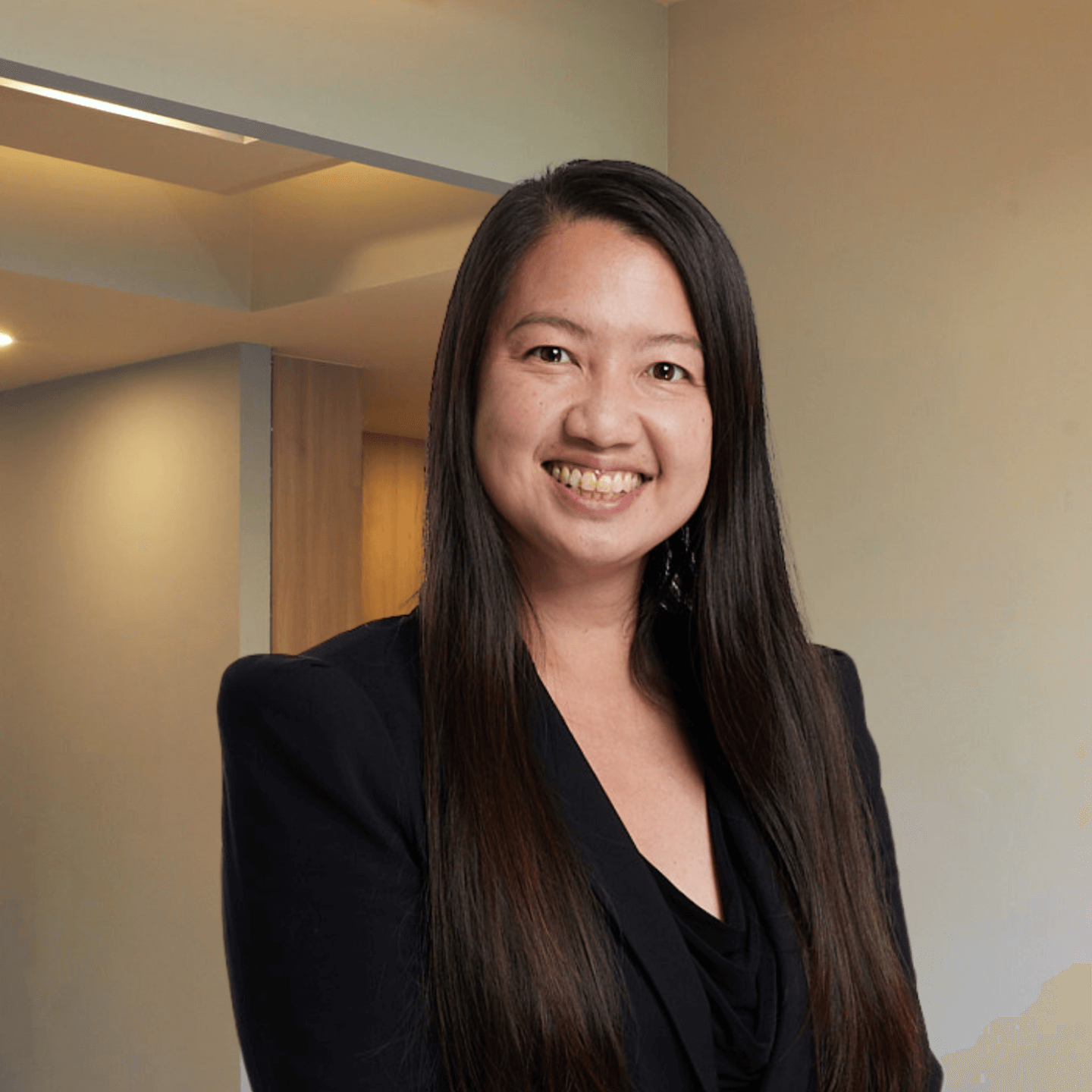
Dr Jesse Hu

Dr Jesse Hu

Senior Consultant General Surgeon, Breast, Thyroid & Endocrine Surgery

Dr Jesse specialises in managing both benign and malignant breast and thyroid conditions, which also includes breast pain, breast lumps, breastfeeding problems, neck lumps, amongst others.

Her dual expertise in cancer removal and plastic surgery techniques expands the design of individualized treatments, leading to holistic patient outcomes.

Dr Jesse was part of the teaching faculties of both NUS Yong Loo Lin School of Medicine and Lee Kong Chian School of Medicine, where she teaches and mentors the next generation of medical students and trainee doctors.

  • Surgical training at NUS School of Medicine
  • FRCS (Fellow of the Royal College of Surgeons) Edinburgh, UK in 2014
  • Completed 2 Health Manpower Development Program (HMDP) fellowships at Oxford University Hospital, UK in 2016

Dr Jesse is recognized as an authority in breast cancer and thyroid surgery and a sought-after conference speaker.

Dr Felicia Tan Li Sher

Dr Felicia Tan Li Sher

Director, Senior Consultant General Surgeon

Dr Felicia is actively involved in promoting breast cancer awareness. She has also been invited to give lectures and public talks on breast cancer related issues both locally and internationally.

Her clinical interest lies in treatment of breast cancer and the use of various surgical techniques to achieve the best oncologic and cosmetic outcome for her patients.

She is the pioneer of the procedure radioisotope occult lesion localisation (ROLL) in Singapore – which is used for locating non-palpable breast lesions and micro-calcifications for surgical excision.

  • Bachelor in Medicine and Surgery from the National University of Singapore
  • RCSEd (Fellow of the Royal College of Surgeons Edinburgh)
  • Post-graduate training as a General Surgeon at NCC and SGH, subspecializing in breast surgery.

She is also adept with the whole range of breast surgical procedures including vacuum assisted biopsies and endoscopic (key-hole) breast surgery for breast lesions.


Reach Out To Us

We are committed to providing a one-stop experience, where you’ll receive a meticulous consultation and high-quality service in a comfortable environment.

Get Started

Book An Appointment


    image

    For faster response, Call Us

    (65) 6733 3383


    Breast Cancer Screening In Singapore

    Frequently Asked
    Questions

    How long does a breast cancer screening appointment take?

    The length of the appointment can vary depending on the type of screening, but it typically takes around 30 minutes to an hour.

    Is it safe to get breast cancer screening while pregnant?

    While mammograms are generally safe during pregnancy, special precautions may be necessary. It is best to consult with your doctor to determine the safest action.

    Can I get a breast cancer screening if I have breast implants?

    Yes, breast cancer screening with breast implants is still possible, though additional imaging may be necessary to ensure accurate results.

    What is the difference between a mammogram and a breast ultrasound?

    A mammogram uses X-rays to create an image of the breast tissue, while an ultrasound uses sound waves to create an image.

    Our clinics are under the following

    insurance panels

    For Singaporeans, Singapore Permanent Residents and Foreigners.
    Please speak to our friendly clinic staff about using your insurance plans.