Mastectomy For Breast Cancer

Mastectomy is the primary treatment for breast cancer. The type of mastectomy you have depends on the size, position of the cancer, and what is most suitable for you. Our experienced breast surgeons will guide you through your options.

Dr Jesse Hu
Senior Consultant General Surgeon, Breast, Thyroid & Endocrine Surgery
Dr Felicia Tan Li Sher
Director, Senior Consultant General Surgeon

What is a Mastectomy?

Mastectomy is a surgical procedure that involves the removal of all or part of the breast tissue, usually as a treatment for breast cancer. There are different types of mastectomy, depending on the stage and nature of the cancer.

Early detection and prompt treatment are crucial in treating breast cancer and increasing the chances of recovery.

Types of Mastectomy

The following are the different types of mastectomy procedures:

Simple or total mastectomy involves removing the entire breast, including the nipple and areola. Usually recommended for women with small, early-stage breast cancers or those at high risk of developing breast cancer.

Duration of procedure
1 - 2 hours
Recovery time
4 - 6 weeks

A modified radical mastectomy removes the entire breast and the axillary lymph nodes under the arm. Recommended for large tumours or tumours that have spread to the lymph nodes.

Duration of procedure
2 - 3 hours
Recovery time
4 - 6 weeks

Skin-sparring mastectomy removes the breast tissue while leaving the skin and nipple intact. This type of mastectomy is usually suitable for women who want to undergo breast reconstruction surgery.

Duration of procedure
2 - 3 hours
Recovery time
4 - 6 weeks

A radical mastectomy is a procedure to remove the entire breast, the lymph nodes under the arm, and the chest wall muscles. Radical mastectomies are only recommended for patients with advanced cancer that has spread to the chest wall muscles or for those with recurrent breast cancer.

Duration of procedure
3 - 4 hours
Recovery time
6 - 8 weeks

Nipple-sparring mastectomy removes the breast tissue while leaving the nipple and areola intact. Recommended for women who want to preserve the appearance of their breasts.

Duration of procedure
2 - 3 hours
Recovery time
4 - 6 weeks

Who Is Eligible for Mastectomy?

  • Breast cancer diagnosis. Mastectomy is the primary treatment recommended for breast cancer. The stage and type of cancer will determine if mastectomy is the best treatment option.
  • High risk of developing breast cancer. Patients with an increased risk of developing breast cancer due to family history or genetic mutations (such as BRCA1 or BRCA2).
  • Large or multiple tumours. If a patient has multiple tumours in their breast or a single tumour that is large relative to the size of the breast, a mastectomy may be recommended.
  • Failed prior treatments. Patients who have undergone previous treatments, such as radiation therapy or lumpectomy, and the cancer has returned may be recommended to undergo mastectomy.

Preparing for Mastectomy

Proper preparation is vital to ensure a successful outcome. Here are some factors to consider before undergoing mastectomy:

  • Medical evaluation. Before the surgery, a thorough medical evaluation will be conducted to assess your overall health and identify any underlying medical conditions that may affect the surgery.
  • Lifestyle changes. Your surgeon may recommend lifestyle changes such as quitting smoking, maintaining a healthy weight, and improving your diet to help your recovery and reduce complications.
  • Preoperative instructions. You will receive instructions on preparing for the surgery, such as when to stop eating and drinking before the procedure and any medications to avoid.
  • Support system. You should have a support system of family and friends who can provide emotional support and help with daily activities during your recovery.

Choosing a Mastectomy Surgeon

Choosing the right breast surgeon can help ensure optimal treatment and care. Here are some factors to consider:

Experience and qualifications

Look for a surgeon who is experienced and certified by a reputable medical institution for breast surgery.

Referrals and recommendations

Ask for referrals and advice from other healthcare professionals or breast cancer survivors.

Communication and bedside manner

Choose a surgeon who listens to your concerns and communicates well throughout the process.

Availability and accessibility

Ensure the surgeon is available for follow-up care and easily accessible in case of complications.

Cost Of A Mastectomy In Singapore

Cost of a mastectomy in Singapore can vary depending on several factors such as:

Surgeon's fee

This fee includes the surgeon’s time, expertise, and the use of their facilities. It varies based on the surgeon’s experience and reputation.

Anaesthesia fee

This fee is for the anaesthesiologist who administers and monitors the anaesthesia during the surgery.

Hospital charges

Hospital charges include the cost of the hospital room, nursing care, and any additional equipment or supplies needed for the surgery.

Imaging tests

Some patients may require preoperative imaging tests such as an ultrasound or MRI, which will incur additional costs.

Post-surgery care

This includes follow-up appointments, medications, and any necessary wound care supplies.

Risks and Complications

Mastectomy is a major surgical procedure that carries certain risks and potential complications, such as:

  • Bleeding or infection at the surgical site
  • Lymphedema (swelling of lymph nodes in the arm)
  • Numbness or weakness in the arm or shoulder
  • Seroma (buildup of fluid at the surgical site)
  • Phantom breast pain (sensation of pain or discomfort in the breast that has been removed)
  • Adverse reaction to anaesthesia
  • Delayed wound healing
  • Blood clots

Recovery and Aftercare

After a mastectomy, proper aftercare and recovery are crucial to ensure a smooth and successful healing process. Here are some factors to consider:

  • Pain management. Medication and physical therapy may be recommended.
  • Drain care. Drains are often used after a mastectomy to remove excess fluid. Proper care and management of drains are essential to prevent infection and promote healing.
  • Wound care. Keeping the surgical site clean and dry is essential to prevent infection and promote healing. Follow any instructions provided by your healthcare team for wound care.
  • Rest and physical activity. Rest is crucial during the initial recovery period, but gradually increasing physical activity can help improve strength and flexibility over time. Your healthcare team can guide you on when it’s safe to resume activities such as driving and exercise.
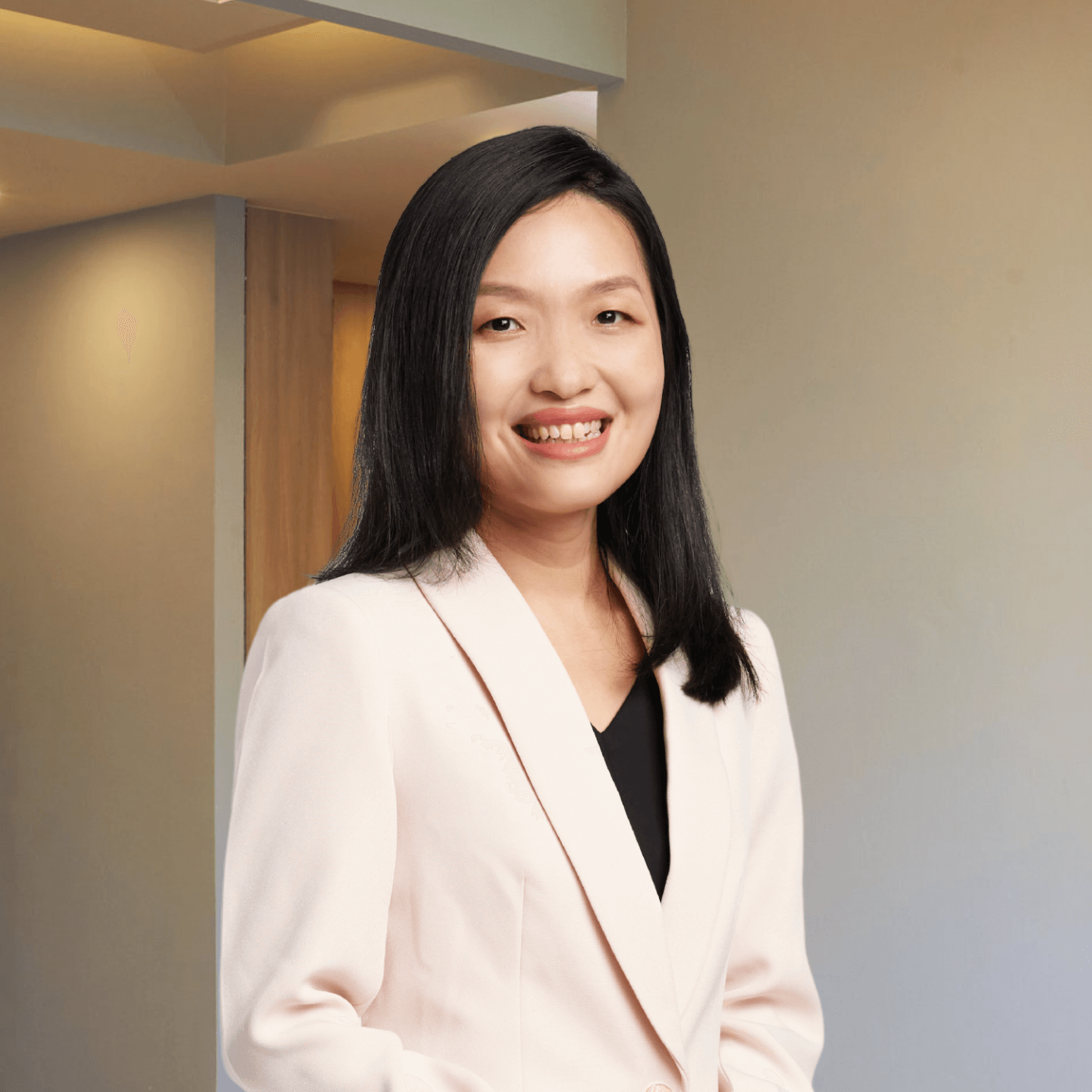
Dr Jesse Hu

Dr Jesse Hu

Senior Consultant General Surgeon, Breast, Thyroid & Endocrine Surgery

Dr Jesse specialises in managing both benign and malignant breast and thyroid conditions, which also includes breast pain, breast lumps, breastfeeding problems, neck lumps, amongst others.

Her dual expertise in cancer removal and plastic surgery techniques expands the design of individualized treatments, leading to holistic patient outcomes.

Dr Jesse was part of the teaching faculties of both NUS Yong Loo Lin School of Medicine and Lee Kong Chian School of Medicine, where she teaches and mentors the next generation of medical students and trainee doctors.

  • Surgical training at NUS School of Medicine
  • FRCS (Fellow of the Royal College of Surgeons) Edinburgh, UK in 2014
  • Completed 2 Health Manpower Development Program (HMDP) fellowships at Oxford University Hospital, UK in 2016

Dr Jesse is recognized as an authority in breast cancer and thyroid surgery and a sought-after conference speaker.


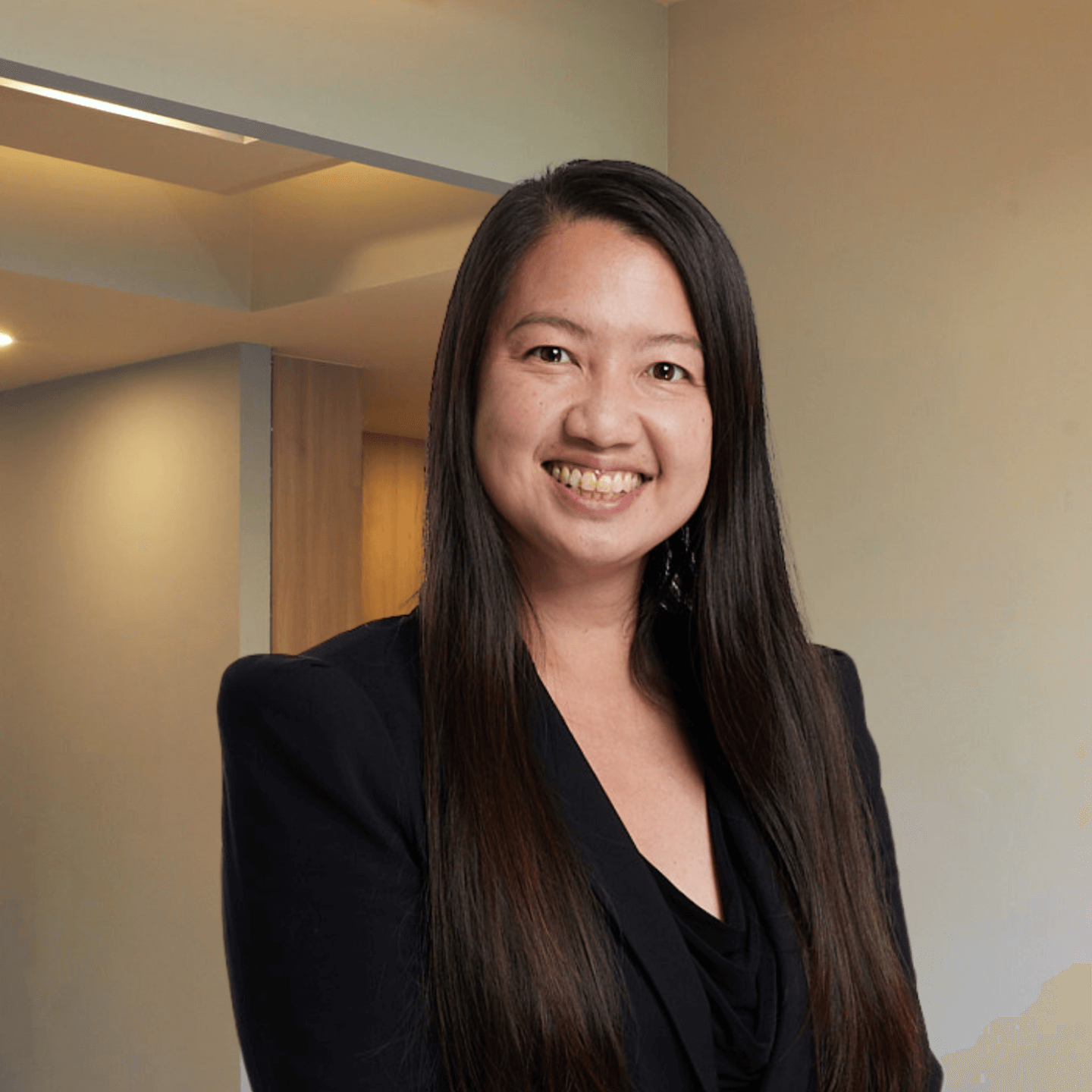
Dr Felicia Tan Li Sher

Dr Felicia Tan Li Sher

Director, Senior Consultant General Surgeon

Dr Felicia is actively involved in promoting breast cancer awareness. She has also been invited to give lectures and public talks on breast cancer related issues both locally and internationally.

Her clinical interest lies in treatment of breast cancer and the use of various surgical techniques to achieve the best oncologic and cosmetic outcome for her patients.

She is the pioneer of the procedure radioisotope occult lesion localisation (ROLL) in Singapore – which is used for locating non-palpable breast lesions and micro-calcifications for surgical excision.

  • Bachelor in Medicine and Surgery from the National University of Singapore
  • RCSEd (Fellow of the Royal College of Surgeons Edinburgh)
  • Post-graduate training as a General Surgeon at NCC and SGH, subspecializing in breast surgery.

She is also adept with the whole range of breast surgical procedures including vacuum assisted biopsies and endoscopic (key-hole) breast surgery for breast lesions.


Our clinics are under the following

insurance panels

For Singaporeans, Singapore Permanent Residents and Foreigners.
Please speak to our friendly clinic staff about using your insurance plans.

Reach Out To Us

We are committed to providing a one-stop experience, where you’ll receive a meticulous consultation and high-quality service in a comfortable environment.

Get Started

Book An Appointment


    image

    For faster response, Call Us

    (65) 6733 3383


    Mastectomy In Singapore

    Frequently Asked
    Questions

    Is a mastectomy the only option for treating breast cancer?

    No, a mastectomy is not the only option for treating breast cancer. Other options may include radiation therapy, chemotherapy, hormone therapy, or a combination of these treatments. The decision about which treatment option to pursue will depend on the stage and type of cancer and your doctor’s recommendations.

    Can I still breastfeed after a mastectomy?

    If only one breast is removed, it may still be possible to breastfeed with the remaining breast. However, if both breasts are removed, breastfeeding will not be possible.

    Can I still get breast cancer after a mastectomy?

    While a mastectomy removes all of the breast tissue, there is still a small risk of developing breast cancer in the remaining breast tissue or elsewhere. Women who have undergone a mastectomy should continue to attend regular follow-up appointments and cancer screenings.