
Understanding Corpectomy Surgery in Singapore

Living with spinal compression can be challenging. Persistent pain, numbness, and weakness from conditions like spinal tumours, fractures, or degenerative disc disease can impact your quality of life. When conservative treatments no longer provide relief, corpectomy surgery may be considered as a treatment option.


Corpectomy is a spinal decompression procedure that aims to relieve pressure on the spinal cord and nerves. The surgeon removes one or more vertebral bodies to relieve pressure on the spinal cord and nerve roots. This guide will help you understand what corpectomy surgery in Singapore entails, from surgical techniques to recovery and what outcomes may occur in suitable candidates.

Dr Victor Wang Tzong-Jing
Senior Consultant Orthopaedic Surgeon, Spine & Orthopaedic Surgery
Dr Ng Zhi Xu
Senior Consultant Neurosurgeon

What is Corpectomy Surgery?

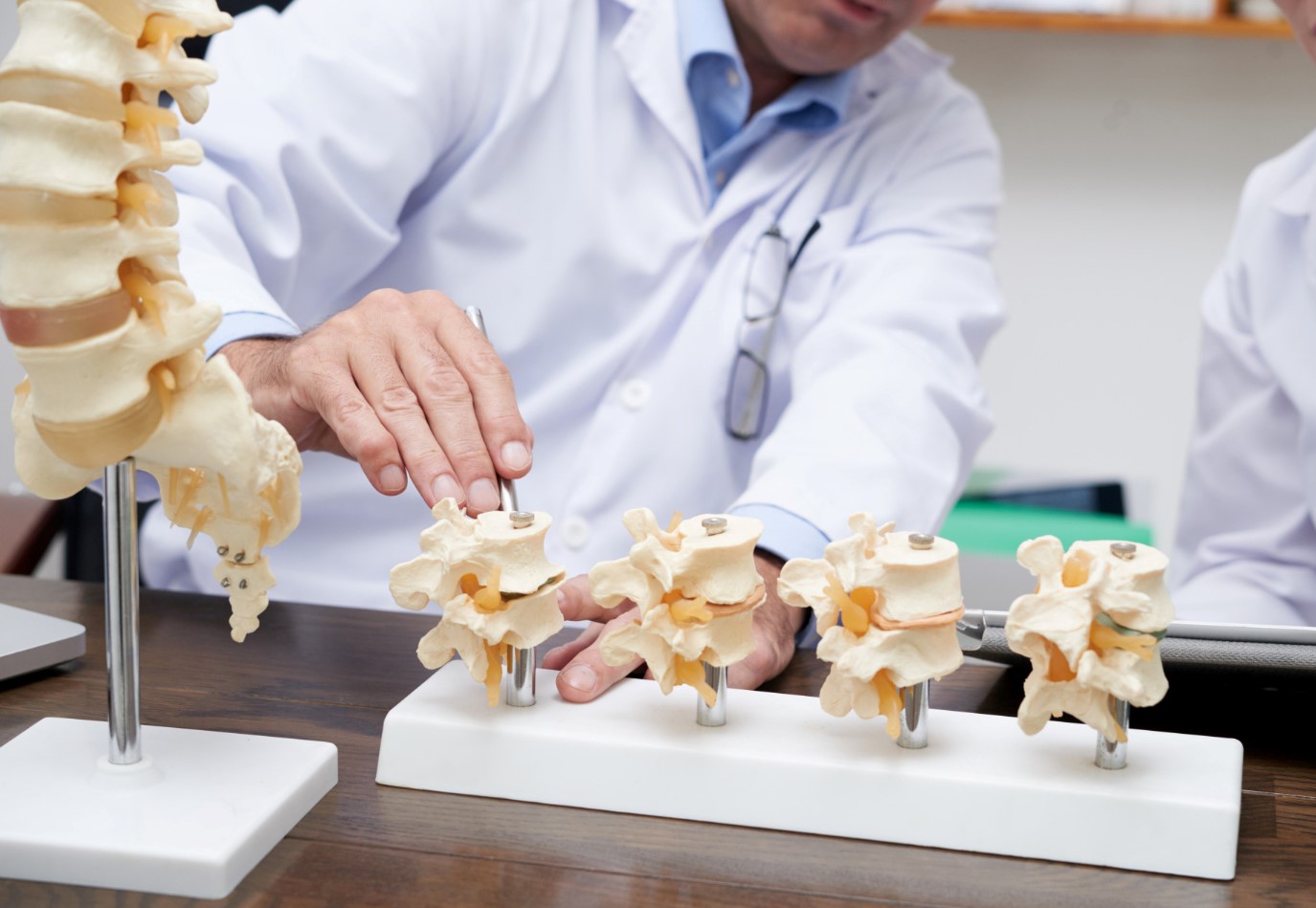
Corpectomy surgery is a spinal procedure where the surgeon removes part or all of a damaged vertebral body (the main cylindrical portion of a vertebra) along with the adjacent intervertebral discs. The term “corpectomy” derives from the Latin word “corpus,” meaning body, and “ectomy,” meaning removal.

This procedure aims to achieve two primary goals: decompressing the spinal cord and nerves, and creating space for spinal reconstruction. After removing the diseased vertebral body, the surgeon fills the gap with a bone graft or synthetic cage. The surgeon then stabilises the spine using metal plates, screws, and rods. This reconstruction aims to restore spinal alignment and provide structural support.

Corpectomy surgery may be considered for several spinal conditions:

  • Vertebral fractures from trauma or osteoporosis
  • Spinal tumours (both primary and metastatic)
  • Degenerative disc disease (gradual wear and tear of the spinal discs) with significant bone spurs
  • Spinal infections like osteomyelitis (infection of the bone)
  • Deformities causing spinal cord compression

The procedure may be considered when damage extends beyond what a simple discectomy (removal of a damaged disc) can address.

Corpectomy surgery may help relieve neurological symptoms in appropriately selected patients, though individual results vary. The procedure aims to halt progressive neurological deterioration and, in some cases, may improve existing deficits when performed before permanent nerve damage occurs.

Ideal Candidates

Corpectomy surgery is typically reserved for patients with specific indications where other treatments have proven insufficient. Suitable candidates generally include:

  • Patients with vertebral body destruction from tumours, infection, or trauma
  • Individuals experiencing progressive neurological symptoms (such as weakness, numbness, or difficulty walking)
  • Those with spinal cord compression confirmed on MRI or CT imaging (diagnostic imaging tests that create detailed pictures of the spine)
  • Patients who have not responded adequately to conservative treatments
  • Individuals with spinal instability requiring reconstruction
  • Those with degenerative changes causing significant bone spur formation
  • Patients with burst fractures where bone fragments compress the spinal cord
  • Individuals healthy enough to undergo major spinal surgery

Contraindications

Certain factors may preclude or delay corpectomy surgery. Your doctor will carefully evaluate these considerations:

  • Osteoporosis (a condition where bones become weak and brittle) that cannot adequately support spinal instrumentation
  • Active systemic infection or infection at the surgical site
  • Uncontrolled medical conditions such as diabetes, heart disease, or bleeding disorders
  • A multi-level disease that would require extensive surgery with significant risks
  • Complete and longstanding spinal cord injury where recovery is unlikely
  • Life expectancy is too limited to justify major reconstructive surgery
  • Inability to comply with post-operative restrictions and rehabilitation
  • Certain blood-thinning medications that cannot be safely discontinued

A thorough pre-operative evaluation is essential for determining surgical candidacy. Your orthopaedic spine or neurosurgeon t (a doctor who specialises in treating conditions of the bones and spine, or the nervous system and spine, respectively) will review your imaging studies, assess your overall health, and discuss whether corpectomy surgery aligns with your treatment goals.

Treatment Techniques & Approaches

Corpectomy surgery can be performed through several surgical approaches, each with specific advantages depending on the location of the pathology and patient factors.

Anterior Cervical Corpectomy

For cervical spine (neck) conditions, surgeons typically access the vertebrae through an incision in the front of the neck. This anterior approach provides direct visualisation of the vertebral bodies and allows removal of compressive pathology. The surgeon works between the trachea (windpipe) and carotid vessels to reach the spine. After removing the vertebral body, a structural bone graft or titanium cage is placed, often secured with an anterior plate and screws.

Anterior Thoracic and Lumbar Corpectomy

For the thoracic (mid-back) and lumbar (lower back) spine, anterior approaches may involve accessing the spine through the chest cavity (thoracotomy) or abdomen (retroperitoneal approach). These approaches provide access to the front of the spine but require working around vital structures, including the lungs, major blood vessels, and abdominal organs.

Posterior and Posterolateral Approaches

In some cases, surgeons perform a corpectomy from the back of the spine. The posterolateral approach allows access to the vertebral body while also enabling posterior instrumentation (screws and rods) during the same procedure. This combined approach may be considered when both decompression and extensive stabilisation are required.

Minimally Invasive Techniques

Current surgical practice increasingly incorporates minimally invasive approaches for suitable candidates. These techniques use smaller incisions, tubular retractors, and specialised instruments to reduce muscle damage. While not appropriate for all corpectomy cases, minimally invasive methods may offer reduced blood loss, shorter hospital stays, and faster recovery for selected patients.

Technology & Equipment Used

Contemporary corpectomy surgery utilises modern technology to support precision and safety. Intraoperative fluoroscopy and navigation systems (real-time X-ray imaging and computer-guided tools) help surgeons place instrumentation. Surgical microscopes and endoscopes (specialised cameras) improve visualisation in confined spaces. Neuromonitoring equipment continuously assesses spinal cord and nerve function throughout the procedure, alerting the surgical team to any changes that require immediate attention.

The Treatment Process

Understanding what happens before, during, and after corpectomy surgery helps reduce anxiety and ensures you’re well-prepared for your procedure.

Your surgical journey begins weeks before the actual procedure. Your specialist will order comprehensive imaging studies (diagnostic tests such as MRI and CT scans) to map the pathology and plan the surgical approach. Blood tests assess your overall health, clotting function, and nutritional status.


You’ll undergo a medical evaluation to optimise any chronic conditions. Diabetic patients should achieve good blood sugar control. Those on blood-thinning medications will receive specific instructions about when to stop these drugs. Smokers are strongly encouraged to quit, as smoking can impair bone healing and increase complication rates.


In the days before surgery, you may need to arrange for help at home during your recovery period. Your surgeon will provide instructions about eating and drinking restrictions (typically nothing after midnight before surgery) and which medications to take on the morning of your procedure.

On the day of surgery, you’ll arrive at the hospital several hours before your scheduled procedure time. After checking in, you’ll change into a hospital gown and have an intravenous line placed. The anaesthesia team will discuss your anaesthetic plan—corpectomy surgery is performed under general anaesthesia (medication that keeps you completely asleep and pain-free during surgery).


Once in the operating room, the team attaches monitoring equipment and places neuromonitoring electrodes to track spinal cord function. After anaesthesia induction, the team positions you appropriately for the planned surgical approach.


The surgeon makes the incision and carefully exposes the damaged vertebra. Using specialised instruments, the surgeon systematically removes the vertebral body while protecting the spinal cord and nerve roots. Once decompression is complete, the surgeon prepares the endplates of the adjacent vertebrae and places the structural graft or cage. The surgeon then applies metal instrumentation to stabilise the reconstruction. The surgeon closes the wound in layers, and the team transfers you to the recovery room.


Corpectomy surgery typically takes several hours, depending on the number of levels involved, the surgical approach, and the complexity of the pathology.

You’ll wake up in the recovery room, where nurses closely monitor your vital signs, neurological status, and pain levels. Feeling groggy and uncomfortable initially is normal. The team administers pain medication through your IV to keep you comfortable.


Patients are typically transferred to a hospital room once stable. You’ll have a urinary catheter in place initially, and sequential compression devices on your legs to prevent blood clots. The surgical team will assess your neurological function, checking strength and sensation in your arms and legs.


Many patients begin sitting up and even standing with assistance within a day or two after surgery, depending on the extent of the procedure and individual recovery. Your doctor may prescribe a cervical collar or thoracolumbar brace to support the healing spine. Hospital stay for corpectomy surgery typically ranges from several days to a week.

Recovery & Aftercare

First Days

The initial days focus on pain control and early mobilisation. You’ll receive pain medication through your IV initially, transitioning to oral medications as tolerated. Some discomfort is expected, but your medical team will work to keep you comfortable.

You may experience temporary worsening of some symptoms due to surgical swelling—this typically improves over the following days. Notify your nursing team immediately if you experience new weakness, numbness, difficulty breathing, or a severe headache.

Physical therapists will visit to help you sit, stand, and walk safely. These early movements are important for preventing complications like blood clots and pneumonia. You’ll learn proper body mechanics for getting in and out of bed and moving safely with your brace.

First Weeks

Once discharged, you’ll continue recovering at home. Pain medication is typically required for several weeks, though requirements gradually decrease. Keep your incision clean and dry, following specific wound care instructions provided by your surgical team.

Activity restrictions are essential during this period:

  • Avoid bending, twisting, and lifting anything heavy
  • Walk regularly, gradually increasing distance each day
  • Climb stairs slowly and carefully if needed

You’ll have a follow-up appointment within a week or two after discharge. Your surgeon will examine your incision, review your neurological status, and order X-rays to check the position of your instrumentation.

Long-term Recovery

Complete recovery from corpectomy surgery typically takes several months. Bone fusion (the process where the graft integrates with the adjacent vertebrae) takes time to solidify.

You’ll gradually return to normal activities as healing progresses:

  • Light activities and desk work: within several weeks to a couple of months
  • Driving: once you’re off narcotic pain medication and can safely turn your head and react quickly
  • Physical therapy: can play an important role in restoring strength, flexibility, and function

Regular follow-up appointments continue for the first year, with imaging studies to confirm fusion progress. Your surgeon will advise you about any activity modifications based on your specific situation.

Spinal surgery teams provide post-operative support throughout your recovery journey.

Schedule your consultation with an orthopaedic spine or neurosurgeon to learn more about what to expect after corpectomy surgery.

Benefits of Corpectomy Surgery

When appropriately indicated, corpectomy surgery in Singapore may offer benefits for patients with spinal pathology, though outcomes vary significantly based on individual factors.

  • Neurological Support: The procedure aims to remove pressure on the spinal cord and nerve roots, which may help halt or slow neurological decline in suitable candidates. Some patients experience symptom stabilisation, though improvement cannot be guaranteed.
  • Structural Management: Corpectomy addresses the structural cause of spinal issues by reconstructing the damaged vertebral column. This aims to prevent further deformity or collapse and may help manage pain for some patients.
  • Specific Conditions: For patients with vertebral tumours, the procedure allows removal that contributes to oncological treatment goals. In cases of bone infection, it enables the removal of infected tissue that may not respond to antibiotics alone.
  • Functional Outcomes: Some patients experience improved walking ability, hand function, and bladder or bowel control following surgery. The degree of functional improvement depends on the extent of pre-existing damage, timing of intervention, and individual healing factors.
  • Quality of Life Considerations: Relief from debilitating symptoms may enable some patients to resume meaningful daily activities. The procedure aims to stabilise the spine and help prevent worsening deformity and neurological deterioration.


The outcomes of corpectomy surgery depend significantly on appropriate patient selection, the underlying condition being treated, and the timing of intervention. Patients with acute or progressive symptoms generally experience different outcomes than those with longstanding deficits.

Common Side Effects

Like all major surgical procedures, corpectomy surgery carries risks. Understanding these helps you make an informed decision and recognise potential problems early.

Patients may experience temporary effects that can resolve with time:

  • Post-operative pain and discomfort at the surgical site
  • Difficulty swallowing and hoarseness (particularly after anterior cervical surgery)—typically resolves over time
  • Fatigue and general weakness during the recovery period
  • Constipation from pain medications
  • Mild numbness or tingling that may take time to improve
  • Muscle spasms as the spine adjusts to its new configuration
  • Temporary worsening of symptoms due to surgical swelling

Your medical team manages these effects with appropriate medications, dietary modifications, and time.

Rare Complications

While uncommon, serious complications can occur:

  • Spinal cord or nerve root injury causing new neurological deficits
  • Cerebrospinal fluid leak (leakage of the fluid that surrounds the brain and spinal cord) requiring repair
  • Surgical site infection requiring antibiotics or additional surgery
  • Hardware failure or displacement
  • Non-fusion (pseudarthrosis—when the bone graft doesn’t fully integrate) requiring revision surgery
  • Adjacent segment disease (degeneration of the spine above or below the fused area) developing over time
  • Blood vessel or visceral organ injury (particularly with anterior approaches)
  • Blood clots in the legs or lungs
  • Anaesthesia-related complications

The risk of complications varies based on individual patient factors, the complexity of the case, and the surgical team’s experience. Current surgical techniques, neuromonitoring, and careful patient selection have helped reduce complication rates. Your surgeon will discuss your specific risk profile during your consultation.

Cost Considerations

The cost of corpectomy surgery in Singapore varies based on several factors:

  • Number of vertebral levels involved: Single-level procedures cost less than multi-level surgery
  • Surgical approach: Minimally invasive techniques may have different cost structures than open surgery
  • Type of implants used: Titanium cages, bone grafts, plates, screws, and rods contribute to costs
  • Hospital stay duration: Longer admissions increase overall costs
  • ICU requirements: Complex cases requiring intensive care monitoring add to expenses
  • Anaesthesia and operating time: Longer procedures involve higher fees
  • Pre-operative investigations: MRI, CT, blood tests, and specialist consultations

A comprehensive corpectomy surgery package typically includes surgical fees, anaesthesia, hospital room charges, medications, implants, and standard post-operative care. Rehabilitation costs are usually separate.

When considering costs, it’s important to factor in the surgeon’s experience with the specific procedure. An orthopaedic spine or neurosurgeon familiar with corpectomy techniques may help reduce complication risks, potentially avoiding revision surgeries and extended recovery periods.

For a personalised cost estimate based on your specific condition, schedule a consultation where your surgeon can assess your needs and provide detailed information.

Frequently Asked Questions

How long does corpectomy surgery take?

Single-level procedures typically take a few hours, while multi-level surgery or cases involving tumour removal may take longer. The surgical team prioritises thoroughness and safety over speed. You’ll be under general anaesthesia throughout, so the time passes without your awareness.

Will I need to wear a brace after surgery?

Many patients require a cervical collar or thoracolumbar brace after corpectomy surgery. The brace supports your spine while the bone graft heals and fusion occurs. Your surgeon will provide specific instructions about when and how to wear your brace and when it can be safely discontinued.

When can I return to work after corpectomy surgery?

Return-to-work timelines vary based on your occupation and the extent of your surgery. Patients with sedentary desk jobs may return within several weeks to a couple of months with restrictions. Those with physically demanding occupations may require longer before full duty, and some may need work modifications.

What are the outcomes of corpectomy surgery?

Outcomes depend on the underlying condition being treated. For spinal cord decompression, some patients experience stabilisation or improvement in neurological symptoms. Outcomes may be more favourable when surgery is performed before permanent spinal cord damage occurs.

Will I have a full range of motion after corpectomy surgery?

Corpectomy with fusion intentionally eliminates motion at the treated spinal segment. For single-level procedures, the overall impact on total spinal flexibility is usually minimal and well-compensated. Multi-level fusions result in more noticeable stiffness. Many patients adapt well and can perform normal daily activities.

What happens if fusion doesn't occur?

Non-fusion, called pseudarthrosis, occurs in some cases. Risk factors include smoking, poor nutrition, diabetes, and multi-level surgery. Symptoms may include persistent pain or hardware loosening. Treatment may involve wearing a brace for longer, bone growth stimulation, or revision surgery. Following your surgeon’s instructions, especially avoiding smoking, can help reduce this risk.

Can I have MRI scans after corpectomy surgery?

Spinal implants are made from titanium alloys that are MRI-compatible. You can safely undergo MRI scans after corpectomy surgery, though the metal may cause some image distortion in the immediate area. Always inform the radiology team about your spinal hardware before any imaging study.

What symptoms should prompt me to seek emergency care after surgery?

Contact your surgical team or seek emergency care immediately if you experience sudden severe headache, new or worsening weakness or numbness in your arms or legs, loss of bladder or bowel control, high fever, increasing redness, swelling, or drainage from your incision, severe pain not controlled by prescribed medications, or difficulty breathing.

Conclusion

Corpectomy surgery represents a treatment option for patients with spinal conditions causing vertebral body destruction and spinal cord compression. By removing diseased bone and reconstructing the spine, this procedure aims to relieve neurological symptoms, support stability, and improve quality of life.

The outcomes of corpectomy surgery in Singapore depend on careful patient selection, meticulous surgical technique, and commitment to the rehabilitation programme. While the procedure involves significant recovery time and carries inherent risks, some patients achieve meaningful improvement in their symptoms and function.

Ready to Take the Next Step?

If you’re considering corpectomy surgery, consult with an orthopaedic spine surgeon or neurosurgeon who can help you understand whether it may be a suitable choice for your condition.

Dr Victor Wang Tzong-Jing

Dr Victor Wang Tzong-Jing

Senior Consultant Orthopaedic Surgeon, Spine & Orthopaedic Surgery

Dr Victor Wang is a fellowship-trained Consultant Orthopaedic Surgeon who sub-specialises in Spine surgery.

  • MBBS (Singapore)
  • MRCS (Edin)
  • MMed (Ortho)
  • FRCSEd (Ortho)

His practice interests include Minimally invasive spine surgery, Navigation/Robot-assisted spine surgeries, Intervertebral disc-related diseases and Adult Spinal Deformities.

A keen believer in the application of technology in evidencebased practice, Dr Wang has vast experience in utilising Computer Navigation for major spine surgeries.

Dr Ng Zhi Xu

Dr Ng Zhi Xu

Senior Consultant Neurosurgeon

Dr Ng is a fully registered specialist in Neurosurgery, with sub-specialty interests in neurotrauma, neuro-oncology, and spine surgery.

  • Bachelor of Medicine and Bachelor of Surgery (MBBS) from Yong Loo Lin School of Medicine, National University of Singapore 2007
  • Basic Surgical Training at TTSH and KTPH 2008-2010
  • Basic Neurosurgical training NUH and KTPH 2010-2012 (Service Registrar)
  • Advanced Neurosurgical training and residency NUH 2013 – 2017
  • Fellowship training in Neurosurgery at Addenbrooke’s Hospital, Cambridge, United Kingdom from 2015 – 2016
  • Intercollegiate Fellowship of Royal Colleges of Surgery (FRCSGlasg) for Neurosurgery, 2016

During his term in KTPH, he developed a deep interest in teaching and organized numerous General Practice (GP) and nursing forums to promote the sharing of common neurosurgical conditions. While there, he was also the director for residency teaching in KTPH.

Dr Ng has done research collaborations with both National Neuroscience Institute (NNI) and NUH. He currently has ongoing research grants with NUH, which focuses on developing modified stem cell treatment for resistant brain cancers.

Our clinics are under the following

insurance panels

For Singaporeans, Singapore Permanent Residents and Foreigners.
Please speak to our friendly clinic staff about using your insurance plans.

Reach Out To Us

We are committed to providing a one-stop experience, where you’ll receive a meticulous consultation and high-quality service in a comfortable environment.

Get Started

Book An Appointment


    image

    For faster response, Call Us

    (65) 6733 3383