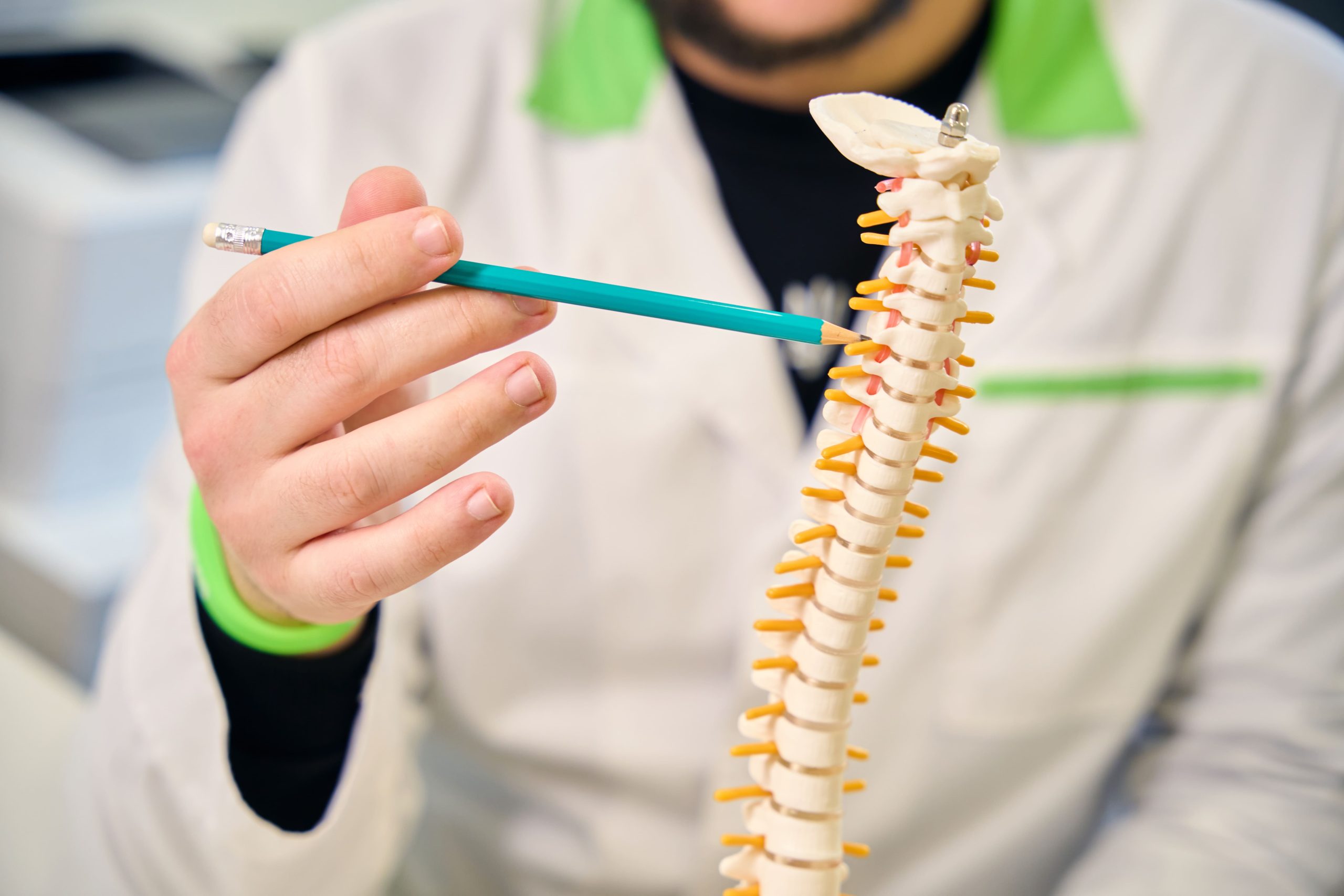
Understanding Posterior Instrumented Fusion: A Comprehensive Guide

Chronic back pain and spinal instability can severely limit your work and daily life. When non-surgical treatments fail, posterior instrumented fusion may help address spinal instability and support improvement in quality of life for suitable candidates.


Performed by orthopaedic spine surgeons in Singapore, this procedure uses specialised hardware to permanently join vertebrae and address various spinal conditions. This guide covers everything you need to know, from surgical details to the recovery journey.

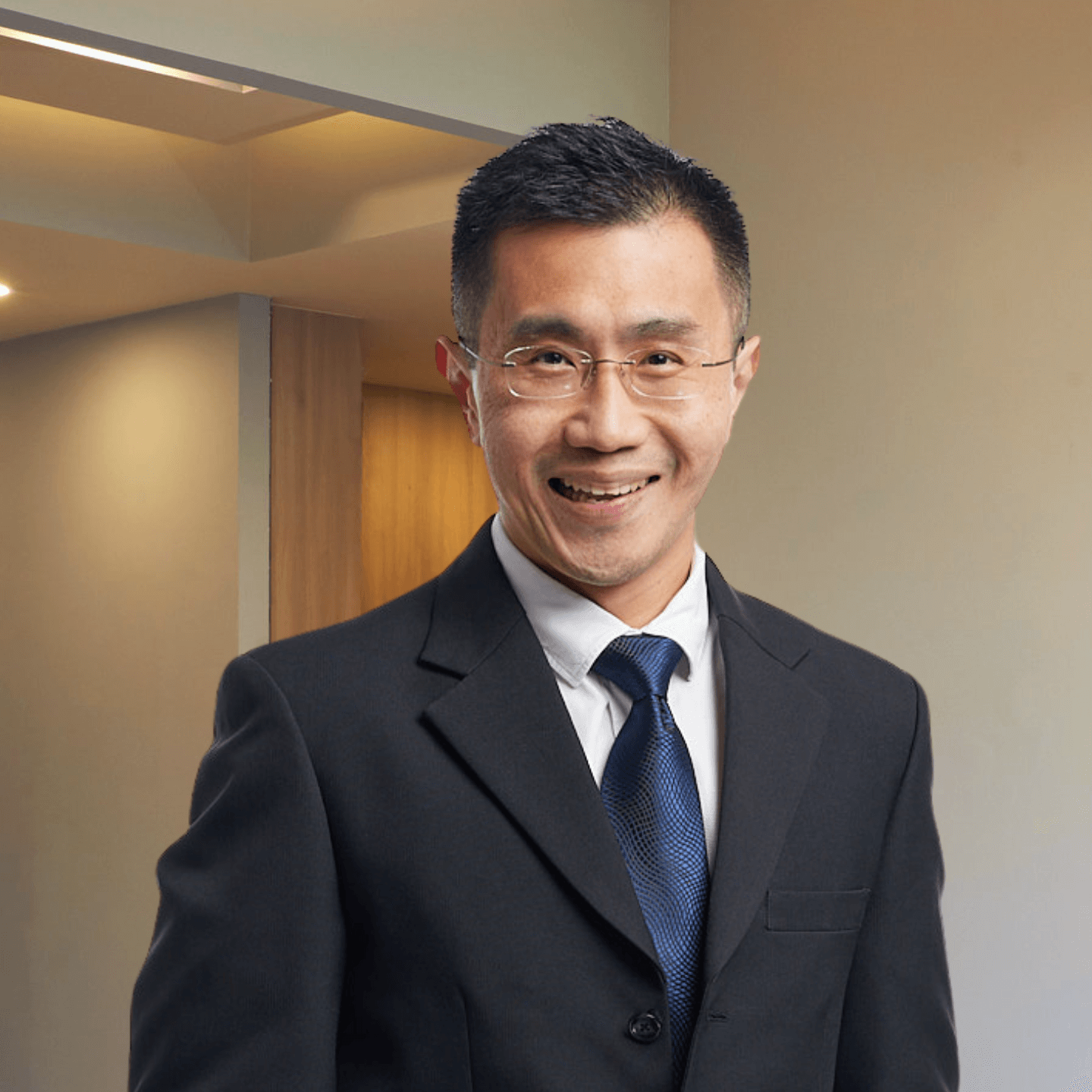
Dr Victor Wang Tzong-Jing
Senior Consultant Orthopaedic Surgeon, Spine & Orthopaedic Surgery

What is Posterior Instrumented Fusion?

Posterior instrumented fusion stabilises the spine by joining two or more vertebrae through an incision in the back. The term “instrumented” refers to the use of specialised hardware—such as screws, rods, or cages—to hold the spine in alignment while the bone heals.

During the procedure, the orthopaedic spine surgeon decompresses any affected nerves and applies a bone graft between the vertebrae. Over several months, this graft grows into a solid bone mass, while the metal hardware provides the immediate stability needed for successful fusion.

This surgery may address several conditions:

  • Spinal instability caused by degenerative disc disease
  • Spondylolisthesis (when one vertebra slips forward over another)
  • Spinal stenosis (narrowing of the spinal canal that puts pressure on nerves)
  • Scoliosis (abnormal sideways curvature of the spine)
  • Spinal fractures
  • Failed previous spinal surgeries

The posterior approach allows an orthopaedic spine surgeon to address both the front (disc space) and back (lamina and facet joints) elements of the spine through a single incision in many cases.

Posterior instrumented fusion has been performed for decades with documented outcomes. Many patients experience improvement in pain levels and functional ability following surgery and appropriate rehabilitation.

Ideal Candidates

Posterior instrumented fusion may be appropriate for patients who meet certain criteria:

  • Documented spinal instability: Vertebral slippage, fractures, or significant degeneration causing abnormal spinal movement
  • Failed conservative treatment: No adequate relief after several months of non-surgical treatments (physiotherapy, medications, and injections)
  • Significant neurological symptoms: Progressive weakness, numbness, or bowel/bladder dysfunction due to nerve compression
  • Localised pathology: Conditions affecting a limited number of spinal segments
  • Good general health: Healthy enough to undergo general anaesthesia and major surgery
  • Non-smokers or willing to quit: Smoking significantly impairs bone healing and fusion success
  • Realistic expectations: Understanding of the goals and limitations of surgery

Contraindications

Certain factors may preclude patients from undergoing this procedure:

  • Active spinal infection: Surgery is typically delayed until the infection is fully treated
  • Severe osteoporosis: Significantly weakened bone may not adequately support instrumentation
  • Uncontrolled medical conditions: Poorly managed diabetes, heart disease, or bleeding disorders increase surgical risks
  • Ongoing tobacco use: Active smokers have higher rates of fusion failure
  • Certain blood-thinning medications: Some anticoagulants may need adjustment before surgery
  • Morbid obesity: Extreme weight can complicate surgery and impair healing
  • Unrealistic expectations: Seeking complete pain elimination or those with primarily psychological pain components

A thorough evaluation by an orthopaedic spine surgeon is essential to determine candidacy. This assessment typically includes detailed imaging studies (X-rays, MRIs, or CT scans), a physical examination, and a review of previous treatments. Your orthopaedic surgeon will consider your specific condition, overall health, and personal goals when making recommendations. A healthcare professional can offer personalised advice tailored to your individual circumstances.

Wondering which approach is right for you?

Speak with an orthopaedic spine surgeon to discuss a treatment plan that is tailored to your individual needs.

Treatment Techniques & Approaches

Open Posterior Fusion

The traditional open approach involves a midline incision along the back, allowing the surgeon direct visualisation of the spine. The orthopaedic spine surgeon carefully moves the back muscles aside to expose the vertebrae. This technique provides access for decompression of nerves and placement of instrumentation. Open surgery remains a standard approach for complex cases, revision surgeries, or when extensive decompression is required.

Minimally Invasive Posterior Fusion

Minimally invasive techniques use smaller incisions and specialised instruments to access the spine through muscle-sparing corridors. Tubular retractors create working channels that cause less tissue disruption. This approach may result in:

  • Reduced blood loss
  • Less postoperative pain
  • Shorter hospital stays
  • Faster initial recovery

This approach may not be suitable for all patients or conditions, particularly those requiring extensive decompression or correction of significant deformity.

Posterolateral Fusion vs Interbody Fusion

Posterolateral fusion places a bone graft along the sides of the vertebrae, outside the spinal canal. Posterior lumbar interbody fusion (PLIF) or transforaminal lumbar interbody fusion (TLIF) additionally places a cage with bone graft within the disc space. Interbody techniques may improve fusion rates and restore disc height. Your orthopaedic spine surgeon will recommend the most appropriate technique based on your specific pathology.

Technology & Equipment Used

Posterior instrumented fusion utilises various technologies and materials:

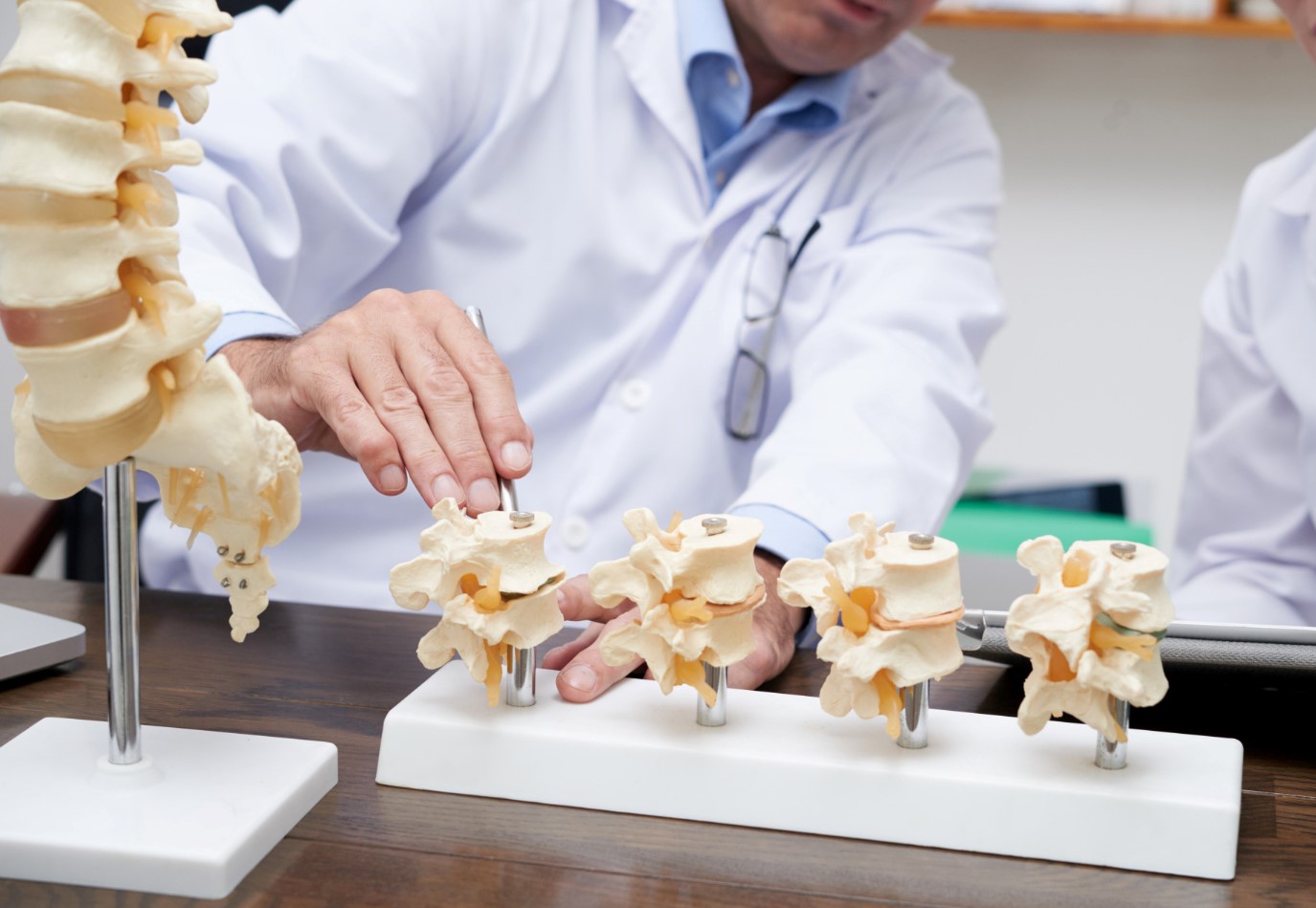
  • Pedicle screws: Titanium or titanium-alloy screws placed into the vertebral pedicles (the strongest part of the vertebra that connects the front and back portions of each bone)
  • Connecting rods: Contoured rods that link the screws, providing stability
  • Interbody cages: Hollow devices (made from titanium, PEEK plastic, or other materials) placed in the disc space
  • Bone graft options: Autograft (your own bone, usually taken from the pelvis or local spine), allograft (donor bone from a tissue bank), or synthetic bone substitutes
  • Intraoperative imaging: Fluoroscopy (real-time X-ray imaging) or navigation systems for hardware placement
  • Neuromonitoring: Continuous monitoring of nerve function during surgery

The Treatment Process


Thorough preparation is essential for a suitable outcome. In the weeks before surgery, you will undergo:

Medical Optimisation

  • Complete blood tests, ECG (a test that records the heart’s electrical activity), and chest X-ray to assess surgical fitness
  • Detailed imaging (MRI and CT scans) for surgical planning
  • Medical clearance from your primary care physician and any relevant specialists
  • Management of chronic conditions (diabetes or hypertension)


Lifestyle Modifications

  • Smoking cessation at least several weeks before surgery (critical for fusion success)
  • Nutritional optimisation, particularly adequate protein and vitamin D intake
  • Pre-operative physiotherapy to strengthen core muscles when possible
  • Weight loss is recommended by your surgeon


Day Before Surgery

  • Fasting from midnight (or as directed by your surgical team)
  • Showering with antibacterial soap
  • Preparation of your home environment for post-surgery recovery
  • Arranging transport and assistance for the first few weeks after discharge

Posterior instrumented fusion is performed under general anaesthesia. You will be asleep throughout the surgery.


Positioning and Access

The surgical team carefully positions you face-down on a specialised operating table, taking precautions to protect pressure points and ensure proper spinal alignment. The team cleans and drapes the surgical area in a sterile manner.


Surgical Steps

  1. The surgeon makes an incision along the midline of your back and carefully moves the muscles aside to expose the spine.
  2. If nerve decompression is needed, the surgeon partially or fully removes the lamina (the flat plate of bone that forms the back part of each vertebra).
  3. The orthopaedic spine surgeon prepares the facet joints (small joints between vertebrae that allow movement) and transverse processes (bony projections on the sides of each vertebra) to receive a bone graft.
  4. The surgeon places pedicle screws into each vertebra being fused, using fluoroscopy or navigation for accuracy.
  5. If performing an interbody fusion, the surgeon removes the disc material and replaces it with a cage containing bone graft.
  6. The orthopaedic spine surgeon connects rods to the screws and secures them.
  7. The surgeon places additional bone graft along the sides of the vertebrae.


Duration and Monitoring

A single-level fusion typically takes several hours. Multi-level procedures may take longer. Throughout surgery, the anaesthesia team continuously monitors your vital signs. Many orthopaedic spine surgeons use neuromonitoring to monitor nerve function in real time.

Recovery Room

You will spend time in the recovery area as the anaesthesia wears off. The nursing team will monitor your vital signs, pain levels, and neurological function. The team administers pain medication as needed.


Hospital Stay

Patients typically remain hospitalised for several days following posterior instrumented fusion. During this time, you will:

  • Begin mobilising with physiotherapy assistance, typically the day after surgery
  • Learn safe movement techniques (log-rolling, proper sitting and standing)
  • Transition from intravenous to oral pain medications
  • Have wound dressings checked and changed
  • Receive blood clot prevention measures (compression stockings, blood thinners)


Discharge Planning

Before leaving the hospital, you will receive detailed instructions on wound care, medications, activity restrictions, and warning signs requiring immediate medical attention. The team will schedule a follow-up appointment, typically a few weeks after surgery.

Recovery & Aftercare

First 24-48 Hours

The initial recovery period focuses on pain management and early mobilisation. Pain is typically managed with a combination of medications. You will begin gentle movements under physiotherapy guidance. Discomfort, swelling around the incision, and some difficulty with mobility are normal during this time.

Warning Signs

Contact your surgical team immediately if you experience:

  • Fever above 38°C
  • Increasing redness, warmth, or drainage from the wound
  • Sudden severe back pain or new leg weakness
  • Difficulty passing urine or loss of bladder/bowel control

First Week

During the first week at home, rest remains important whilst you gradually increase activity. Walk short distances several times daily to promote healing and prevent blood clots. Avoid bending, twisting, or lifting anything heavy.

Your first follow-up appointment typically occurs a few weeks post-surgery. The surgeon will:

  • Check your wound healing
  • Assess your progress
  • Adjust any medications
  • Remove sutures or staples at this visit

Pain levels generally improve throughout the first week. You may still require pain medication. Sleep disturbances are common initially but improve over time. Focus on balanced nutrition, including adequate protein, to support healing.

Long-term Recovery

Weeks 2-6

  • Activity gradually increases
  • Restrictions on bending, twisting, and lifting continue
  • Gentle physiotherapy exercises to maintain flexibility and prevent deconditioning
  • Light activities around the home

Weeks 6-12

  • A structured physiotherapy programme typically begins around several weeks post-surgery
  • Focus on core strengthening, flexibility, and gradual return to normal activities
  • X-rays to assess fusion progress and hardware position
  • Many patients return to desk-based work during this period

3-6 Months

  • Progressive return to normal activities continues
  • More vigorous exercise and recreational activities may be permitted based on healing progress
  • Some restrictions on high-impact activities may remain

6-12 Months

  • Bone fusion typically matures during this period
  • Assessments may confirm fusion
  • Many patients achieve their functional outcome within a year
  • Continued improvement can occur beyond this timeframe

An orthopaedic spine surgeon can provide comprehensive post-procedure support.

Schedule your consultation to learn more about what to expect.

Benefits of Posterior Instrumented Fusion

Posterior instrumented fusion may provide meaningful improvements for appropriately selected patients:

  • Pain reduction: Many patients experience a decrease in back and leg pain following surgery
  • Improved stability: Fusion eliminates abnormal movement between unstable vertebrae
  • Neurological improvement: Decompression may relieve pressure on nerves, potentially improving weakness and numbness
  • Enhanced function: Many patients report improved ability to walk, stand, and perform daily activities
  • Restored spinal alignment: Surgery can correct deformity and restore a more normal posture
  • Prevention of progression: Fusion may halt the worsening of conditions like spondylolisthesis
  • Durable results: Once solid fusion is confirmed, results may be long-lasting, though individual outcomes vary
  • Improved quality of life: Reduction in pain and improvement in function may allow return to meaningful activities


Complete pain elimination is not always achievable. Realistic expectations are important for patient satisfaction.


Common Side Effects

Certain temporary effects are normal following posterior instrumented fusion:

  • Post-operative pain: Surgical site discomfort is expected and managed with medications. Pain typically improves over several weeks.
  • Swelling and bruising: Normal healing responses that gradually resolve
  • Muscle spasms: Common in the back muscles, usually controlled with medication
  • Temporary numbness: May occur around the incision site due to small nerve irritation
  • Fatigue: Energy levels typically return to normal over several weeks
  • Constipation: A side effect of pain medications, managed with stool softeners and adequate hydration

Rare Complications

Whilst less common, more serious complications can occur:

  • Infection: May occur in some cases; may require antibiotics or additional surgery when necessary
  • Hardware problems: Screw loosening, rod breakage, or malposition; may require revision surgery
  • Non-union (pseudarthrosis): Failure of bone to fuse may occur in some cases
  • Nerve injury: Rare but can result in weakness, numbness, or pain; usually temporary
  • Dural tear: Tear in the membrane covering the spinal cord; the surgeon typically repairs it during surgery
  • Blood clots: Deep vein thrombosis (clots in leg veins) or pulmonary embolism (clots that travel to the lungs); prevented with early mobilisation and blood thinners
  • Adjacent segment degeneration: Increased stress on levels above or below the fusion may lead to future problems

Risk can be minimised through careful patient selection, meticulous surgical technique, smoking cessation, and adherence to post-operative instructions. Your orthopaedic spine surgeon will discuss your individual risk profile during the consultation process.

Cost Considerations

The cost of posterior instrumented fusion varies based on several factors:

  • Number of levels fused: Each additional vertebral level increases complexity and cost
  • Surgical technique: Minimally invasive approaches may involve different costs than open surgery
  • Type and quantity of instrumentation: Various implant systems have different cost structures
  • Length of hospital stay: Extended stays due to complications increase overall cost
  • Need for ICU care: Complex cases requiring intensive monitoring incur additional costs
  • Bone graft material: Autograft, allograft, and synthetic options have varying costs
  • Facility fees: Hospital and operating theatre charges

Treatment costs typically include pre-operative consultations and imaging, surgical fees, anaesthesia, implants, hospital stay, and immediate post-operative care. Physiotherapy and follow-up appointments may involve additional costs.

During your consultation, the team can provide a detailed cost estimate tailored to your specific situation.

Frequently Asked Questions

How long does posterior instrumented fusion surgery take?

The duration depends on the complexity of your case. A single-level fusion typically takes several hours. Multi-level procedures or those involving significant decompression may take longer. Your orthopaedic spine surgeon will provide a more specific estimate based on your individual surgical plan. The time includes positioning, surgical access, decompression if needed, instrumentation placement, bone grafting, and careful closure.

When can I return to work after posterior instrumented fusion?

Return to work timing varies significantly based on your occupation and recovery progress. Patients with sedentary desk jobs may return within a few months post-surgery, often starting part-time. Jobs requiring moderate physical activity typically require several months of recovery. Physically demanding occupations involving heavy lifting may require a longer recovery period. Some patients may need to modify their work duties permanently. Your surgeon will guide return-to-work decisions based on your individual healing.

Will I have restricted movement after spinal fusion?

Fusion does eliminate motion at the fused segments. Many patients adapt well, particularly when only a limited number of levels are fused. The remaining mobile segments of your spine compensate for the fused area. Many patients can perform daily activities, drive, and participate in recreational activities. Extreme ranges of motion and high-impact activities may be limited. The functional impact depends largely on the number of levels fused and their location in the spine.

How will I know if my fusion is successful?

Your orthopaedic spine surgeon assesses fusion success through a combination of clinical improvement and imaging findings. Clinically, you may experience a reduction in your pre-operative symptoms. Imaging studies (tests that create pictures of the inside of your body), typically X-rays or CT scans, performed several months after surgery, may demonstrate bone bridging across the fused segments. Your surgeon will monitor your progress at follow-up appointments and inform you when solid fusion is confirmed.

What happens if the fusion does not heal properly?

If fusion does not occur (pseudarthrosis, meaning the bone fails to properly unite), you may experience persistent or recurrent pain. This can occur in some cases, with higher rates in smokers, diabetics, and multi-level fusions. Options may include continued observation if symptoms are minimal, bone stimulator therapy (a device that uses electrical or ultrasound pulses to encourage bone growth), or revision surgery to promote fusion. Your surgeon addresses risk factors for non-union pre-operatively whenever possible.

Is posterior instrumented fusion painful?

Post-operative pain is expected. Pain control techniques aim to manage it well. Many patients describe the pain as significant but tolerable in the first few days, with steady improvement over subsequent weeks. Within a few months, surgical pain may have resolved. Many patients find that even in the early post-operative period, their pre-operative leg pain has improved.

Can I undergo MRI scans after having spinal fusion hardware?

Yes, spinal instrumentation is typically MRI-compatible. The titanium and titanium-alloy materials used in contemporary implants are safe for MRI scanning. Always inform the radiology team about your spinal hardware before any MRI. The metal may cause some artefact (distortion) on images, but useful diagnostic information can still be obtained.

What lifestyle changes will I need to make after surgery?

Long-term lifestyle modifications may help protect your spine:

  • Maintaining a healthy weight reduces stress on your spine
  • Regular low-impact exercise may support spinal health without excessive strain
  • Good posture and proper body mechanics during daily activities may protect both the fusion and adjacent segments
  • If you were a smoker, permanent cessation is strongly advised

Many patients find that these modifications become natural habits that support overall well-being.

Conclusion

Posterior instrumented fusion is an established surgical option for various spinal conditions causing instability, pain, and neurological symptoms. When conservative treatments fail to provide adequate relief, this procedure may offer the potential for improvement in pain levels, function, and quality of life.


Understanding the complete treatment journey—from determining candidacy through long-term recovery—helps you make informed decisions and prepare appropriately for surgery. With appropriate patient selection and commitment to the rehabilitation process, many patients report meaningful improvement in their spinal condition.


If you are experiencing chronic back pain or spinal instability that has not responded to other treatments, consult with a qualified medical professional to explore whether posterior instrumented fusion may be appropriate for your situation.

Ready to Take the Next Step?

Our Senior Consultant Orthopaedic Spine Surgeon can evaluate whether posterior instrumented fusion may be appropriate for your condition and provide guidance throughout your treatment and post-operative care.

Dr Victor Wang Tzong-Jing

Dr Victor Wang Tzong-Jing

Senior Consultant Orthopaedic Surgeon, Spine & Orthopaedic Surgery

Dr Victor Wang is a fellowship-trained Consultant Orthopaedic Surgeon who sub-specialises in Spine surgery.

  • MBBS (Singapore)
  • MRCS (Edin)
  • MMed (Ortho)
  • FRCSEd (Ortho)

His practice interests include Minimally invasive spine surgery, Navigation/Robot-assisted spine surgeries, Intervertebral disc-related diseases and Adult Spinal Deformities.

A keen believer in the application of technology in evidencebased practice, Dr Wang has vast experience in utilising Computer Navigation for major spine surgeries.

Our clinics are under the following

insurance panels

For Singaporeans, Singapore Permanent Residents and Foreigners.
Please speak to our friendly clinic staff about using your insurance plans.

Reach Out To Us

We are committed to providing a one-stop experience, where you’ll receive a meticulous consultation and high-quality service in a comfortable environment.

Get Started

Book An Appointment


    image

    For faster response, Call Us

    (65) 6733 3383