
Understanding Prolapsed Intervertebral Disc Treatment in Singapore

A prolapsed intervertebral disc can affect your ability to carry out daily activities, and understanding the available management options is an important part of navigating your care.


Treatment approaches vary based on individual clinical factors, ranging from conservative management such as physiotherapy to surgical intervention where clinically indicated. This guide provides general information to support informed conversations with your healthcare professional about the approach most appropriate for your circumstances.

Dr Victor Wang Tzong-Jing
Senior Consultant Orthopaedic Surgeon, Spine & Orthopaedic Surgery
Dr Ng Zhi Xu
Senior Consultant Neurosurgeon

What is Prolapsed Intervertebral Disc Treatment?

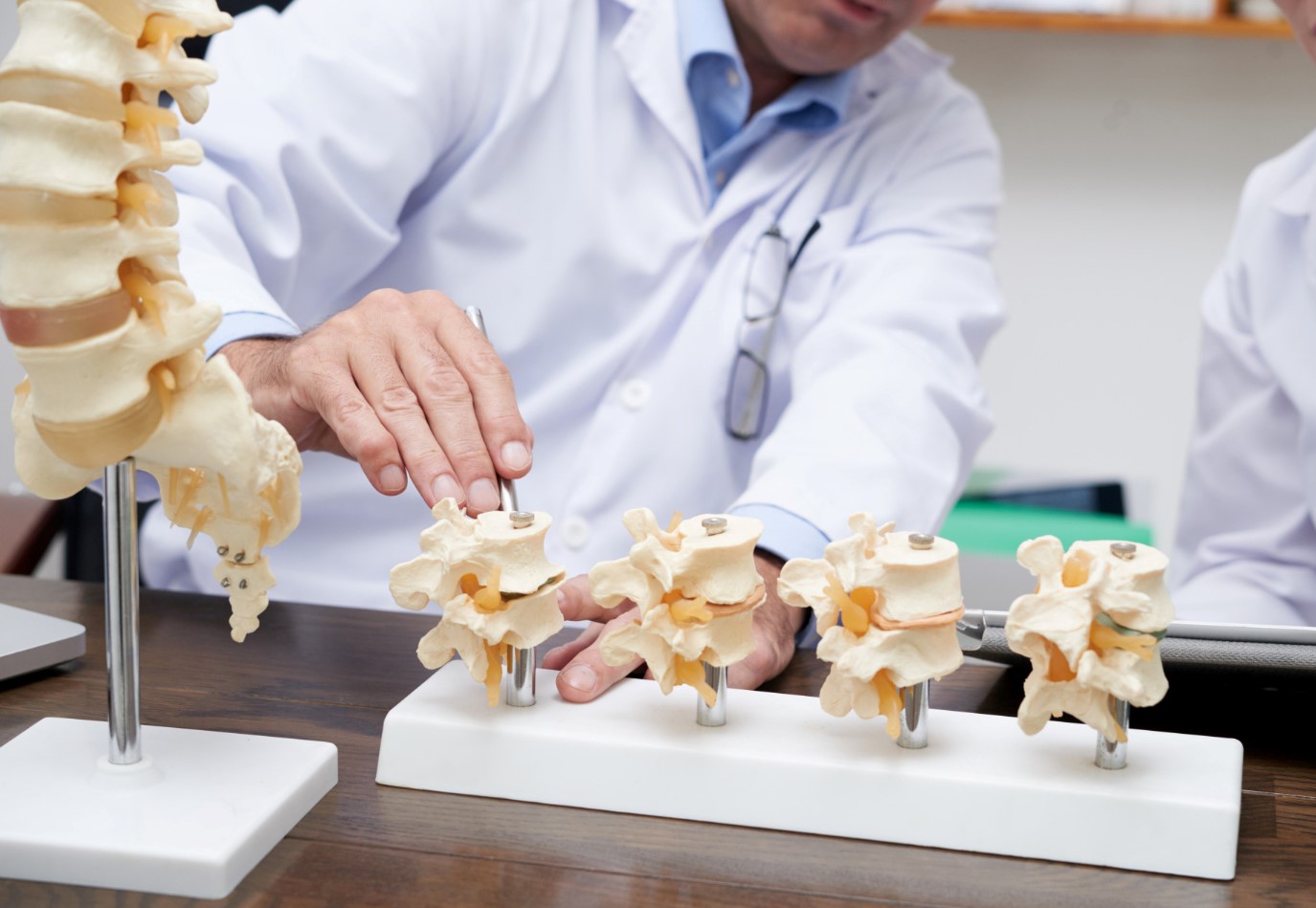
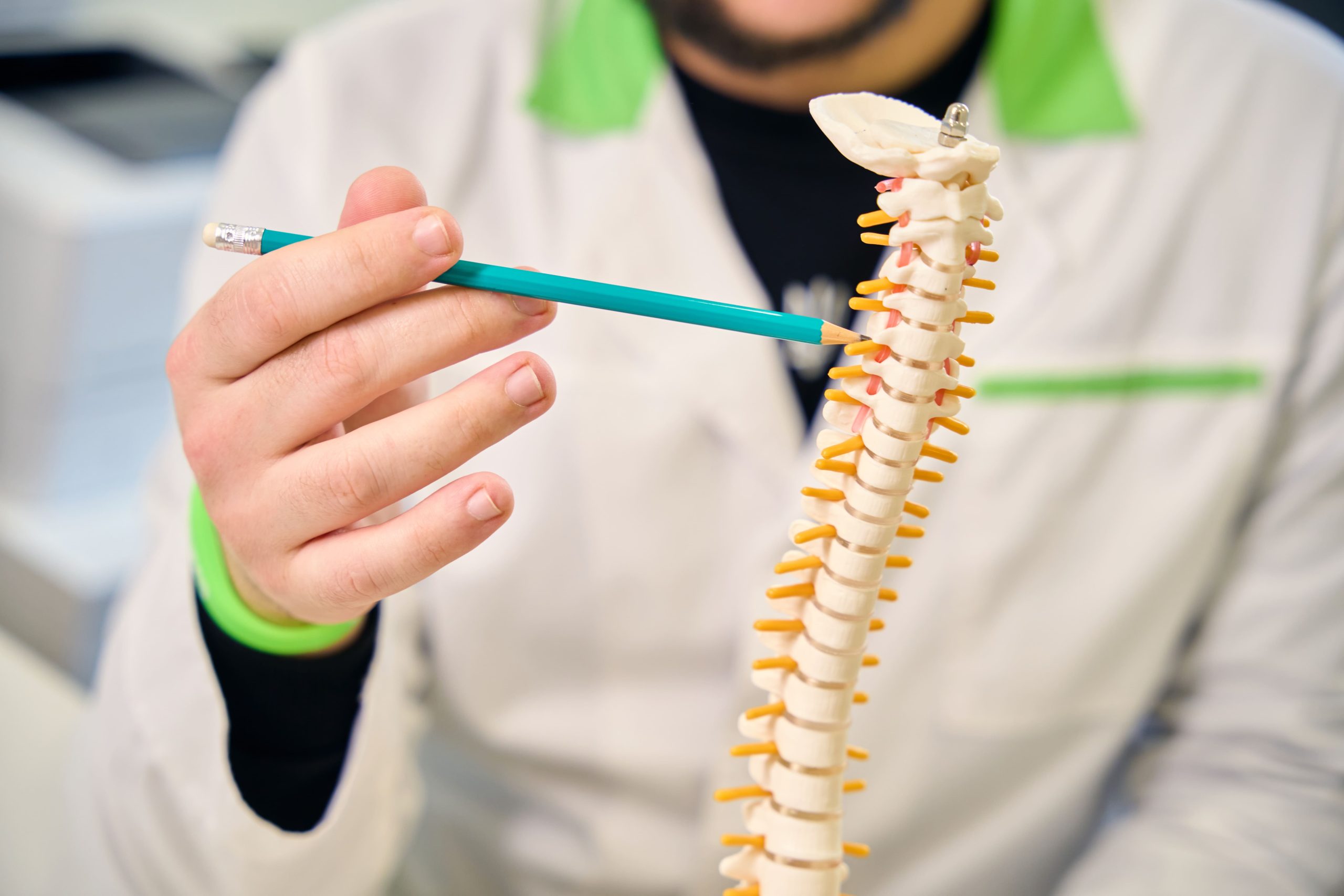
Prolapsed intervertebral disc treatment addresses a condition where the soft inner portion of a spinal disc pushes through the outer ring. This condition, also known as a herniated or slipped disc, occurs when the gel-like centre (nucleus pulposus) bulges through a weakened area of the tough outer layer (annulus fibrosus).

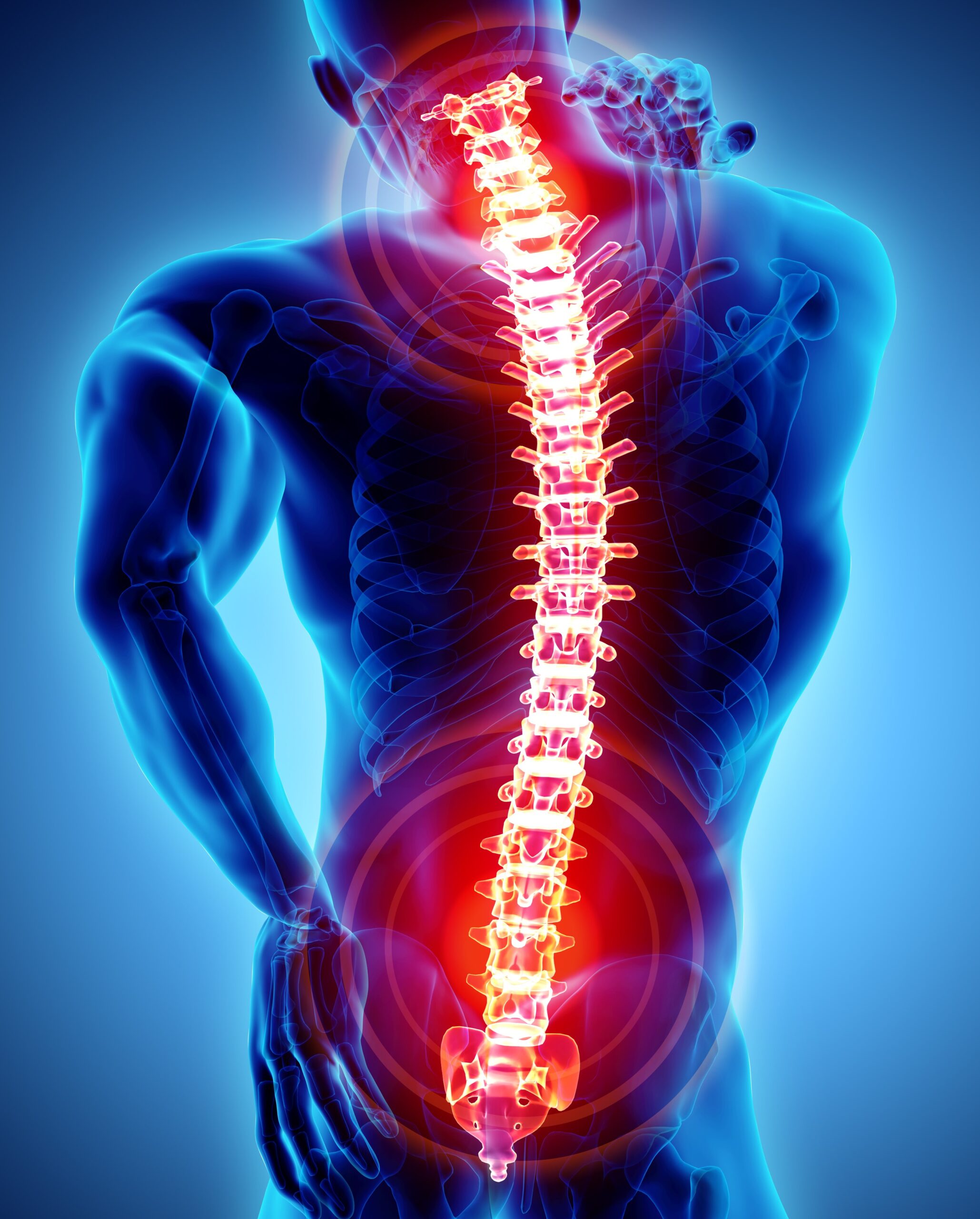
When a disc prolapses, it can compress nearby spinal nerves, causing pain, numbness, tingling, or weakness in the affected areas. The lumbar spine (lower back) is frequently affected, though cervical (neck) disc problems also occur. Treatment aims to reduce nerve compression, decrease inflammation, and alleviate symptoms.

The approach depends on several factors:

  • Severity of your symptoms
  • Location and size of the prolapse
  • Effect on your neurological function

Many patients may respond to non-surgical treatments, while others may require surgical intervention. Your orthopaedic spine or neurosurgeon will conduct a thorough evaluation to determine the most appropriate treatment pathway.

Candidates for Treatment

Suitable candidates typically present with specific characteristics:

  • Persistent back pain with radiating leg pain (sciatica, pain that travels down the leg along the sciatic nerve) affecting daily activities
  • Confirmed disc prolapse on imaging scans (MRI or CT) that matches symptoms
  • Neurological symptoms such as numbness, tingling, or weakness in the affected limb
  • Symptoms that haven’t responded to initial rest and self-care
  • Generally good overall health
  • Motivation to participate in rehabilitation
  • Significant impact on work or lifestyle

Contraindications

Certain factors may affect treatment suitability:

  • Active spinal infections requiring resolution before elective procedures
  • Bleeding disorders or anticoagulation therapy (blood-thinning medications) requiring careful management
  • Severe osteoporosis (weak, brittle bones) that may affect surgical outcomes
  • Medical conditions that increase anaesthesia risks
  • Psychological factors that may impact treatment compliance
  • Unrealistic expectations about results
  • Multiple-level disc disease requiring comprehensive evaluation

A thorough assessment by an orthopaedic spine surgeon (specialist in bones, joints, and spine) or neurosurgeon (specialist in brain and nervous system surgery) is essential. This evaluation includes detailed medical history, physical examination, and review of imaging studies to create a personalised treatment plan.

For guidance on which approach, if any, may be appropriate for your specific condition,

consult an orthopaedic spine or neurosurgeon.

Treatment Techniques & Approaches

Conservative (Non-Surgical) Management

Conservative management is typically the initial approach considered for prolapsed disc presentations without significant neurological deficits. This may include medications such as anti-inflammatory drugs, muscle relaxants, and neuropathic pain agents, alongside physical therapy. Response to conservative treatment varies among individuals.

Epidural steroid injections may be considered to help manage inflammation around affected nerve roots. Response to this intervention varies among individuals.

Microdiscectomy

Microdiscectomy is commonly performed for prolapsed disc treatment in Singapore. The surgeon makes a small incision and uses a special operating microscope to see the affected area. They then carefully remove the portion of disc material pressing on the nerve while preserving most of the disc structure.

The surgery may provide relief for leg pain. Patients may experience improvement in radiating symptoms, though some numbness or weakness may take longer to resolve. Microdiscectomy may be suitable for patients with predominant leg symptoms who haven’t responded to conservative care.

Endoscopic Discectomy

Endoscopic discectomy represents a minimally invasive approach. The surgeon inserts a small tube with a tiny camera through a small incision, allowing them to see and remove the herniated disc material. This technique requires minimal disruption to surrounding muscles and tissues.

The endoscopic approach involves less disruption to the surrounding musculature than open surgery. Recovery considerations differ from those of open approaches and vary by individual. This technique requires specialised training and equipment and may not be suitable for all presentations of disc prolapse.

Open Discectomy

Traditional open discectomy remains appropriate for certain cases, particularly complex or recurrent disc herniations. This approach provides direct visualisation of the surgical field and allows treatment of additional pathology if present. Recovery considerations differ from those of minimally invasive approaches and vary by individual. Open discectomy remains an appropriate option for certain presentations, particularly complex or recurrent disc herniations.

Spinal Fusion (Selected Cases)

In specific situations, such as recurrent disc herniations at the same level or significant spinal instability, your surgeon may recommend combining discectomy with spinal fusion. The surgeon joins two vertebrae (individual bones of the spine) together using bone grafts and metal hardware, eliminating motion at the affected segment. Fusion is not routinely required but may offer benefits in carefully selected cases.

The Treatment Process


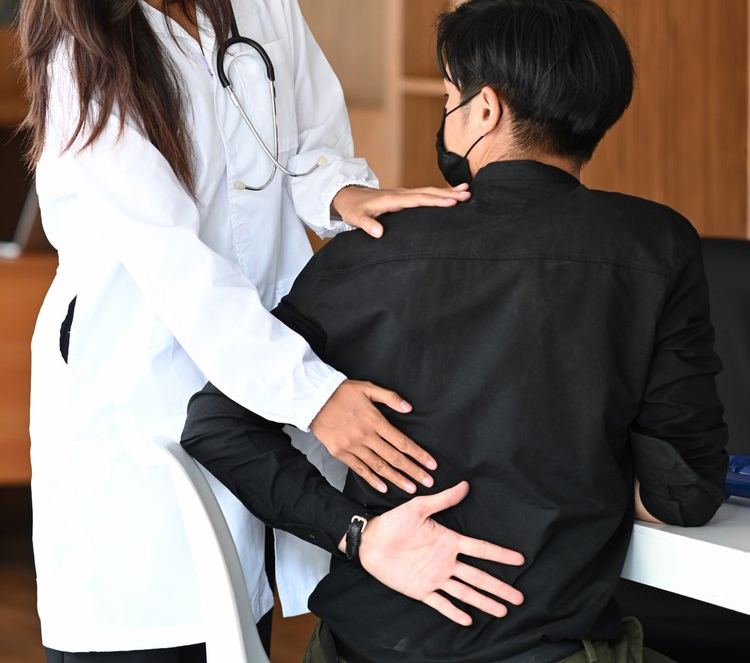
Your journey begins with a comprehensive consultation where your orthopaedic surgeon reviews your medical history, performs a physical examination, and assesses your imaging studies. You may require additional tests, such as nerve conduction studies (tests measuring how well electrical signals travel through nerves), to evaluate nerve function or updated MRI scans.


Before any procedure, you’ll receive specific instructions regarding:

  • Medications to continue or temporarily stop (particularly blood thinners)
  • Fasting requirements if sedation or anaesthesia is planned
  • Arrangements for post-procedure transport and assistance
  • Pre-operative blood tests and medical clearance if needed


For surgical candidates, a pre-admission assessment helps ensure you’re medically optimised. You’ll meet with the anaesthesia team to discuss options and address concerns. Clear communication about your expectations and goals helps ensure alignment between you and your treatment team.

For Epidural Injections

The procedure takes a short time. You’ll lie face down on a procedure table while the injection site is cleaned and numbed with local anaesthetic. Using fluoroscopic (real-time X-ray) guidance, your doctor precisely positions the needle and delivers the medication. You’ll be monitored briefly before discharge.


For Surgical Procedures

Microdiscectomy and other surgical treatments are performed under general anaesthesia. You’ll be positioned face down on a specialised surgical table. Your surgeon makes a small incision over the affected level, identified using intraoperative imaging. Using magnification and specialised instruments, the surgeon carefully removes the herniated disc material while protecting the spinal nerves.


Duration varies depending on complexity. Throughout the procedure, the anaesthesia team continuously monitors your vital signs.

Following injections, you’ll rest briefly before discharge. Some temporary numbness or weakness in the legs is normal and resolves within hours. You’ll receive written instructions and may typically resume normal activities the next day.

After surgery, you’ll wake in the recovery area where nurses monitor your vital signs, pain levels, and neurological function. Some patients may notice changes in their symptoms in the immediate post-operative period, though individual experiences vary. Early mobilisation is encouraged where clinically appropriate, and a physiotherapist will guide you through safe movement techniques.

Hospital stay duration varies based on the procedure performed and individual recovery progress. Before discharge, you’ll receive detailed wound care instructions, pain medication prescriptions, and follow-up appointments. Warning signs requiring immediate attention will be clearly explained.

Recovery & Aftercare

First 24-48 Hours

The initial recovery period focuses on pain management and wound care. Oral pain medications help keep you comfortable, with decreasing requirements expected over the first few days. Ice application near (not directly on) the surgical site may help reduce swelling.

Key guidelines for this period:

  • Rest with periodic short walks to maintain circulation
  • Avoid bending, lifting, or twisting movements
  • Keep the wound clean and dry
  • Sleep in a comfortable position (back or side with pillow support)
  • Watch for warning signs: fever, increasing pain, wound drainage, or new neurological symptoms

First Week

During the first week, gradually increase activity. Short walks multiple times daily may promote healing and help prevent complications. Limit sitting time initially, with gradual increases as comfort allows.

Your surgeon typically schedules a wound check post-surgery. If non-dissolvable types were used, the surgeon removes sutures or staples. Pain medication requirements usually decrease during the first week.

Return to light desk work may be possible for patients with sedentary jobs. Driving is typically restricted until you can perform emergency manoeuvres comfortably and are no longer taking strong pain medications.

Long-term Recovery

Recovery follows a progressive timeline:

  1. Early weeks: Most daily activities may resume with modifications
  2. Several weeks: Gradual return to more demanding activities; formal physiotherapy typically begins
  3. Subsequent weeks: Progressive strengthening and conditioning; return to physically demanding work
  4. Several months: Recovery for many patients; return to sports and recreational activities

Physiotherapy plays a role in long-term recovery. Your programme may focus on core strengthening, flexibility, proper body mechanics, and gradual return to function. Commitment to your rehabilitation programme can influence your outcomes.

Your orthopaedic spine or neurosurgeon may recommend lifestyle modifications as part of your ongoing management, which may include weight management, regular exercise, and attention to ergonomics at work and home. These measures are generally considered supportive of spinal health, though individual responses vary.

Post-operative follow-up and monitoring are typically provided by your orthopaedic spine or neurosurgeon as part of your overall management plan.

Benefits of Prolapsed Intervertebral Disc Treatment

Treatment may offer several potential benefits, which vary among individuals based on clinical factors:

  • Potential pain reduction: Some patients may experience improvement in back or leg pain following treatment. Individual outcomes vary.
  • Potential mobility impact: When pain is reduced, some patients may find movement easier. Individual responses differ.
  • Neurological symptom management: Treatment aims to address nerve compression where present. The degree of improvement in numbness, tingling, or weakness depends on the severity and duration of compression.
  • Potential sleep impact: Some patients who experience pain reduction may report improved sleep. This is not a guaranteed outcome.
  • Potential functional impact: Some patients may be able to return to daily activities or work following treatment. Individual outcomes vary.
  • Potential reduction in medication use: Some patients may require less ongoing pain medication following successful treatment. This is not guaranteed.
  • Neurological protection aims: Timely treatment aims to address nerve compression. Whether this prevents permanent nerve injury depends on individual clinical factors.
  • Potential psychological impact: Some patients who experience pain reduction may report improvements in mood or general well-being. Individual responses differ.


The potential benefits listed above are not guaranteed outcomes. Individual results depend on diagnosis, severity, overall health, and adherence to rehabilitation. Your surgeon will discuss realistic expectations based on your specific circumstances.


Common Side Effects

All medical treatments carry some risks.

For conservative treatments and injections:

  • Temporary increase in pain
  • Minor bruising or soreness at injection sites
  • Temporary leg weakness or numbness (resolves within hours)

For surgical treatments:

  • Post-operative pain and discomfort (managed with medications)
  • Temporary muscle soreness from positioning
  • Mild swelling around the incision
  • Fatigue during recovery

These effects are typically temporary and may resolve with appropriate care.

Rare Complications

More serious complications are uncommon but include:

  • Infection (treatable with antibiotics)
  • Nerve injury causing new or worsened neurological symptoms
  • Dural tear (tear in the protective membrane surrounding the spinal cord and spinal fluid) requiring repair
  • Recurrent disc herniation at the same level
  • Blood clots in the legs (may be reduced with early mobilisation)
  • Anaesthesia-related complications

Careful patient selection, appropriate surgical technique, and adherence to perioperative protocols all contribute to minimising risk. Your surgeon will discuss the specific risks relevant to your situation during the consent process.

Cost Considerations

The cost of prolapsed intervertebral disc treatment in Singapore varies based on several factors:

  • Type of treatment (conservative, injection-based, or surgical)
  • Complexity of your condition
  • Surgical technique selected
  • Length of hospital stay
  • Implants or specialised equipment required
  • Anaesthesia and facility fees
  • Post-operative rehabilitation needs

Treatment packages typically include surgeon fees, hospital charges, anaesthesia, standard medications, and routine follow-up visits. Additional costs may arise for extended stays, specialised imaging, or unforeseen complications.

Cost information based on your specific treatment plan can be discussed during your consultation. Patients are encouraged to check with their insurance provider regarding coverage applicable to their circumstances.

Frequently Asked Questions

How do I know if I need surgery for my prolapsed disc?

Healthcare providers typically consider surgery when conservative treatments haven’t provided adequate relief after a reasonable period, or if you have significant or progressive neurological deficits (such as muscle weakness or loss of bladder/bowel control). The decision is individualised based on your symptoms, imaging findings, and how your condition affects your daily life. Many patients with prolapsed discs do not require surgery.

What can I expect from microdiscectomy surgery?

Microdiscectomy may provide relief of leg pain (sciatica) in appropriately selected patients. Outcomes vary based on individual factors, including your symptoms and imaging findings. Back pain improvement is more variable, as this often relates to factors beyond the disc herniation itself.

How long will I be off work after disc surgery?

Return to work timing depends on your job demands. Patients with sedentary desk jobs may return relatively soon, while those with physically demanding occupations typically require a longer recovery period. Modified duties may allow earlier return in some cases.

Can a prolapsed disc come back after treatment?

Recurrence at the same level may occur in some patients over time. The disc material removed during surgery represents only the herniated portion; the remaining disc can potentially herniate again. Lifestyle factors such as maintaining a healthy weight, proper lifting techniques, and core strengthening may help reduce recurrence risk.

How does minimally invasive surgery differ from open surgery for disc prolapse?

Minimally invasive techniques involve smaller incisions and less disruption to the surrounding musculature than open surgery. Each approach has specific indications, and the suitability of either depends on individual clinical factors, including the nature and location of the disc prolapse. Your surgeon can advise which approach is appropriate for your specific condition.

What happens if I don't get treatment for my prolapsed disc?

Many prolapsed discs may improve with time and conservative care alone. However, persistent nerve compression can potentially lead to chronic pain, permanent numbness, or muscle weakness if left untreated. Rarely, severe compression (cauda equina syndrome, a serious condition where nerves at the base of the spinal cord become compressed) can affect bladder and bowel function, requiring emergency treatment.

How should I prepare for my spine surgery?

Preparation includes optimising your general health, stopping smoking if applicable, and following your surgeon’s instructions regarding medications and fasting. Arrange for help at home during the initial recovery period and prepare a comfortable recovery space. Complete any required pre-operative tests promptly. Understanding the procedure and having realistic expectations is encouraged and can support informed decision-making.

Will I need physiotherapy after treatment?

After injections, physiotherapy may be recommended to support spinal health and address contributing factors. After surgery, structured rehabilitation may help restore strength, flexibility, and function. The timing and nature of physiotherapy will be guided by your surgeon based on your individual recovery.

Conclusion

Prolapsed intervertebral disc treatment encompasses a range of management options, from conservative care to surgical intervention, selected based on individual clinical factors. Outcomes vary among patients depending on diagnosis, severity, and overall health.


Individuals experiencing symptoms consistent with a prolapsed intervertebral disc are encouraged to seek evaluation from a qualified orthopaedic spine or neurosurgeon to determine the most appropriate management for their specific circumstances.

Ready to Take the Next Step?

If you have questions about prolapsed intervertebral disc conditions and available management options, our Senior Consultant Orthopaedic Spine Surgeon or Neurosurgeon can conduct a thorough evaluation and advise on appropriate care based on your individual circumstances.

Dr Victor Wang Tzong-Jing

Dr Victor Wang Tzong-Jing

Senior Consultant Orthopaedic Surgeon, Spine & Orthopaedic Surgery

Dr Victor Wang is a fellowship-trained Consultant Orthopaedic Surgeon who sub-specialises in Spine surgery.

  • MBBS (Singapore)
  • MRCS (Edin)
  • MMed (Ortho)
  • FRCSEd (Ortho)

His practice interests include Minimally invasive spine surgery, Navigation/Robot-assisted spine surgeries, Intervertebral disc-related diseases and Adult Spinal Deformities.

A keen believer in the application of technology in evidencebased practice, Dr Wang has vast experience in utilising Computer Navigation for major spine surgeries.

Dr Ng Zhi Xu

Dr Ng Zhi Xu

Senior Consultant Neurosurgeon

Dr Ng is a fully registered specialist in Neurosurgery, with sub-specialty interests in neurotrauma, neuro-oncology, and spine surgery.

  • Bachelor of Medicine and Bachelor of Surgery (MBBS) from Yong Loo Lin School of Medicine, National University of Singapore 2007
  • Basic Surgical Training at TTSH and KTPH 2008-2010
  • Basic Neurosurgical training NUH and KTPH 2010-2012 (Service Registrar)
  • Advanced Neurosurgical training and residency NUH 2013 – 2017
  • Fellowship training in Neurosurgery at Addenbrooke’s Hospital, Cambridge, United Kingdom from 2015 – 2016
  • Intercollegiate Fellowship of Royal Colleges of Surgery (FRCSGlasg) for Neurosurgery, 2016

During his term in KTPH, he developed a deep interest in teaching and organized numerous General Practice (GP) and nursing forums to promote the sharing of common neurosurgical conditions. While there, he was also the director for residency teaching in KTPH.

Dr Ng has done research collaborations with both National Neuroscience Institute (NNI) and NUH. He currently has ongoing research grants with NUH, which focuses on developing modified stem cell treatment for resistant brain cancers.

Our clinics are under the following

insurance panels

For Singaporeans, Singapore Permanent Residents and Foreigners.
Please speak to our friendly clinic staff about using your insurance plans.

Reach Out To Us

We are committed to providing a one-stop experience, where you’ll receive a meticulous consultation and high-quality service in a comfortable environment.

Get Started

Book An Appointment


    image

    For faster response, Call Us

    (65) 6733 3383